Amapiano built its reputation on backyard braais, taxi-rank speakers and free-entry park sessions. So it is worth pausing on what happens when a fine-dining and luxury-retail company builds a three-storey venue around it, complete with premium terraces and its own shop, and calls it a festival.
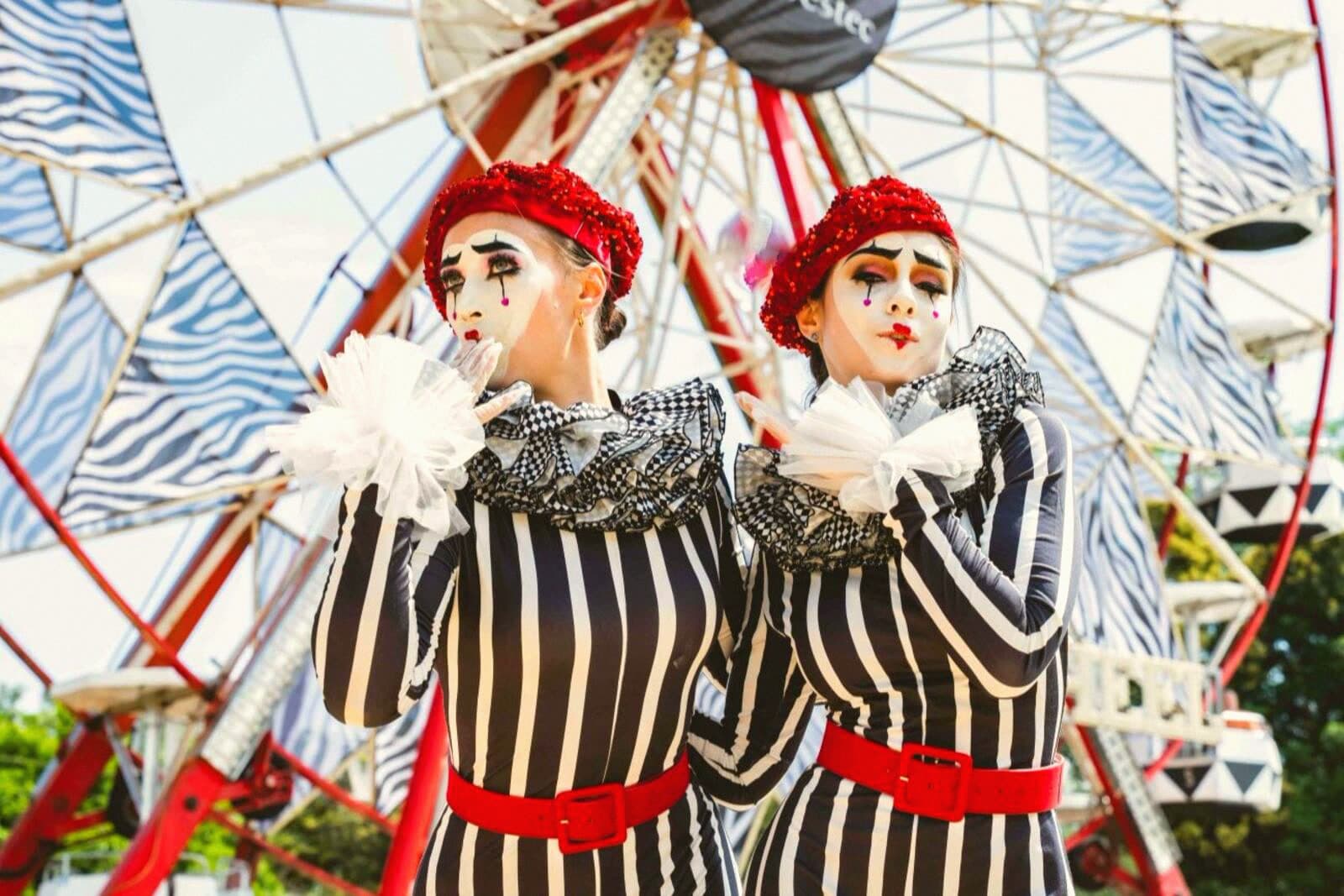
That is the bet behind [[event:marble-circus|The Luxurious Marble Circus]], running September 26 and 27 at Ground the Venue in Muldersdrift, just outside Johannesburg. The event is produced in partnership with Marble Group, the restaurant and hospitality brand behind some of Johannesburg's most expensive dinner tables, and its retail instincts show: the site has been expanded to three levels with terraced premium viewing areas and a branded festival shop selling merchandise alongside the music.
What's actually on the two lineups?
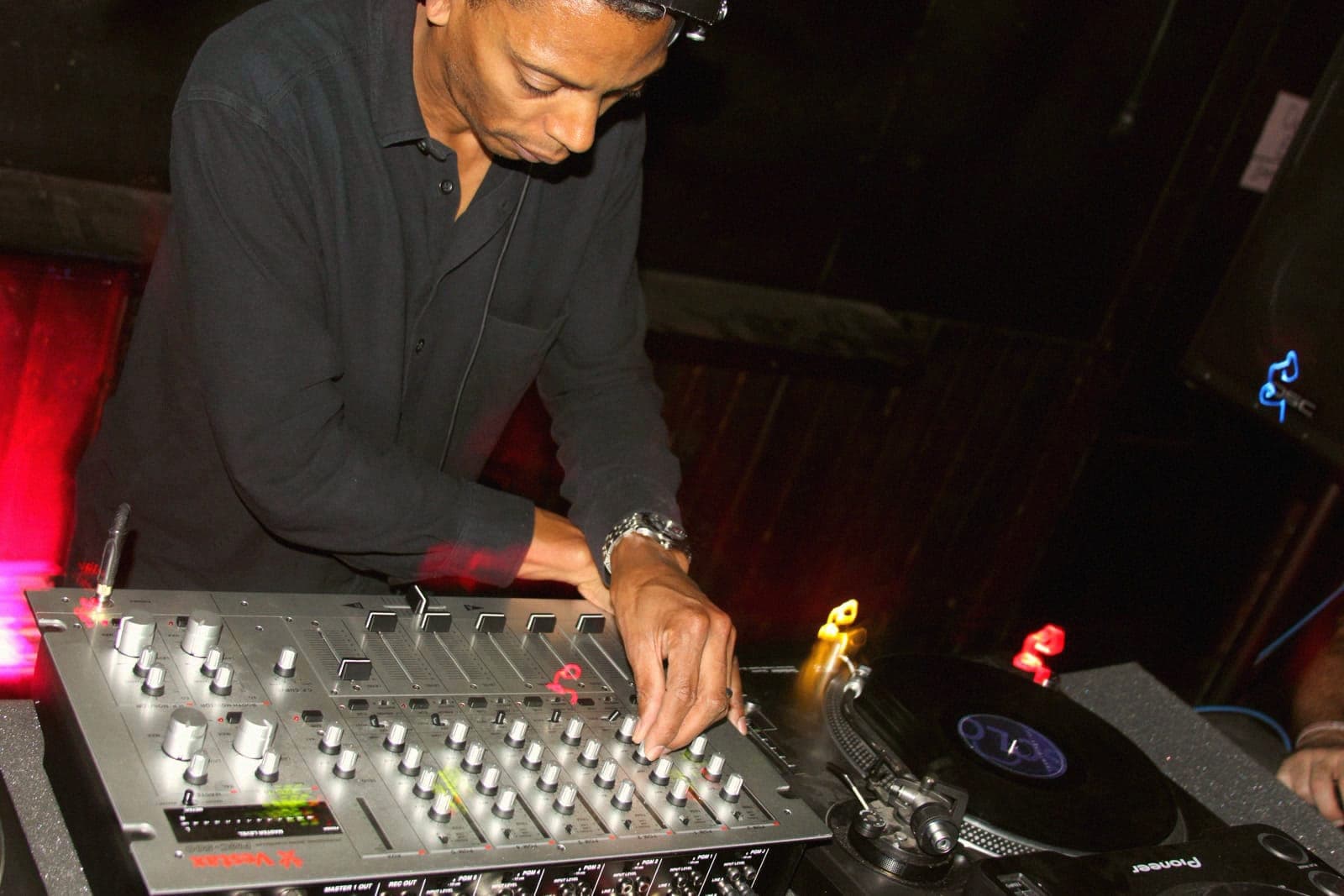
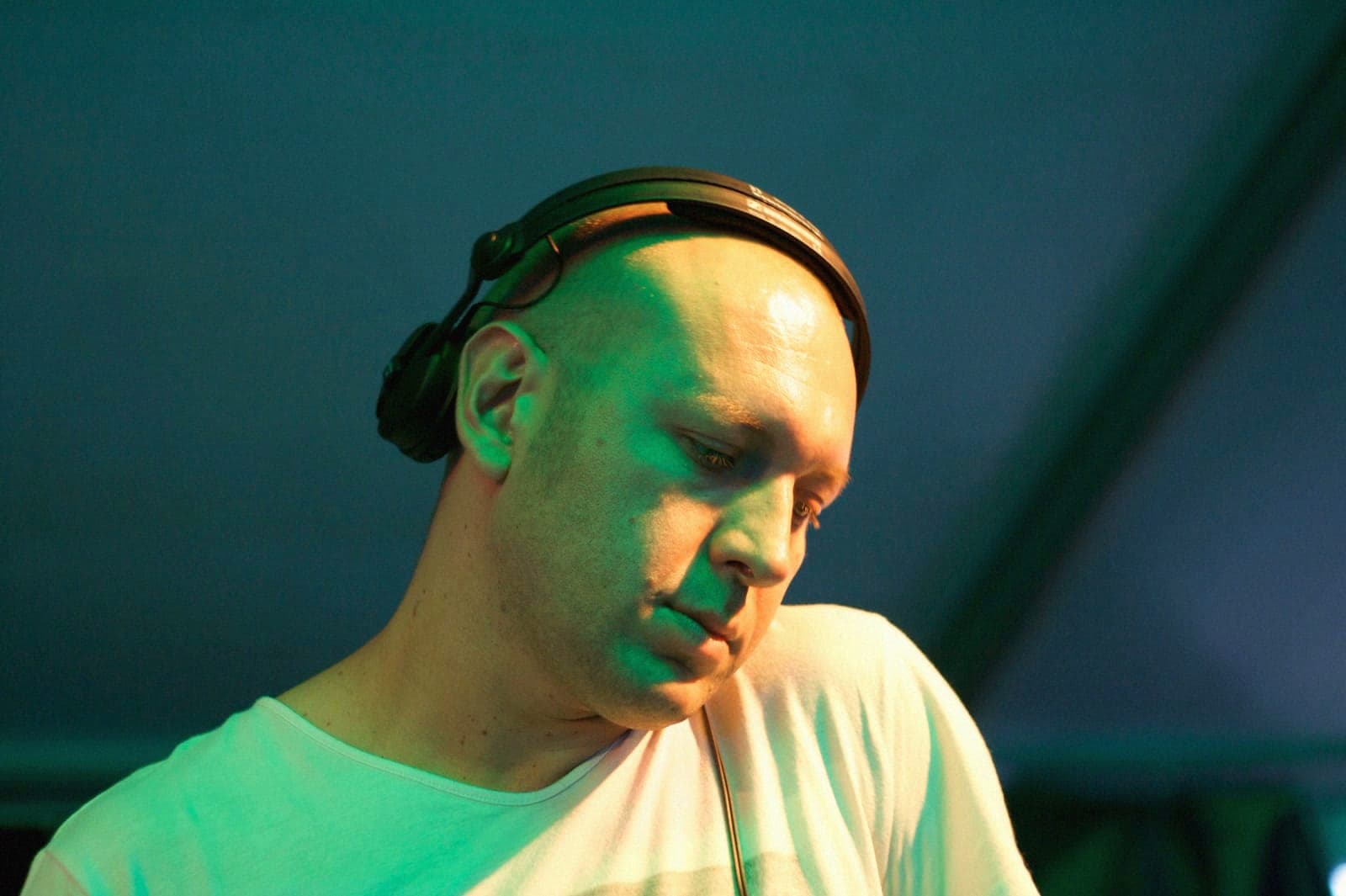
The booking splits cleanly by mood, not by accident. Saturday leans melodic and dance-forward, headlined by the Belgian producer Lost Frequencies and South African house mainstay Shimza, with Sxncello supporting. Sunday is where the festival puts its real weight: Kabza De Small, the amapiano producer whose Scorpion Kings project with DJ Maphorisa helped take the genre from local sound to national export, tops a bill that includes DJ Zinhle, Dlala Thukzin and a Soweto Gospel Choir set. Putting the genre's two biggest current names, plus a choir built for spectacle, on the day the venue is presumably at its most dressed-up is a clear signal of who the organisers think the premium ticket buyer wants to see.
The booking splits cleanly by mood: Saturday for the dance-forward crowd, Sunday for the amapiano and afro-house names carrying the festival's biggest weight.
Is this the scene maturing, or luxury creeping onto the dancefloor?
Amapiano and South African house have spent the last five years moving from local clubs to global festival stages and now to brand tie-ins with fashion, drinks and, here, high-end dining. A restaurant group building a three-storey site with a retail shop around a DJ lineup is a genuinely different product from a park jam or a club night: it is buying into the culture's commercial reach while adding a layer, premium terraces, curated food, a merch floor, that the genre's roots never needed. Framed generously, it is proof the scene now commands the kind of production budget and brand interest that techno and house festivals in Europe take for granted. Framed less generously, it is the luxury economy discovering a dancefloor culture it didn't build and charging admission to watch it.
Why it does or doesn't matter beyond one weekend
Either way, the money question is the real story: when a hospitality brand, not a promoter, is the lead partner on a music festival, the format tends to follow the food and retail logic (tiered pricing, premium zones, a shop) rather than club logic. Watch whether Marble Group's model gets copied by other South African hospitality brands looking at amapiano's audience, because that is how a genre's live-event economics quietly get rewritten.