What is EightyEight, and why model a worn-out Jupiter-8?
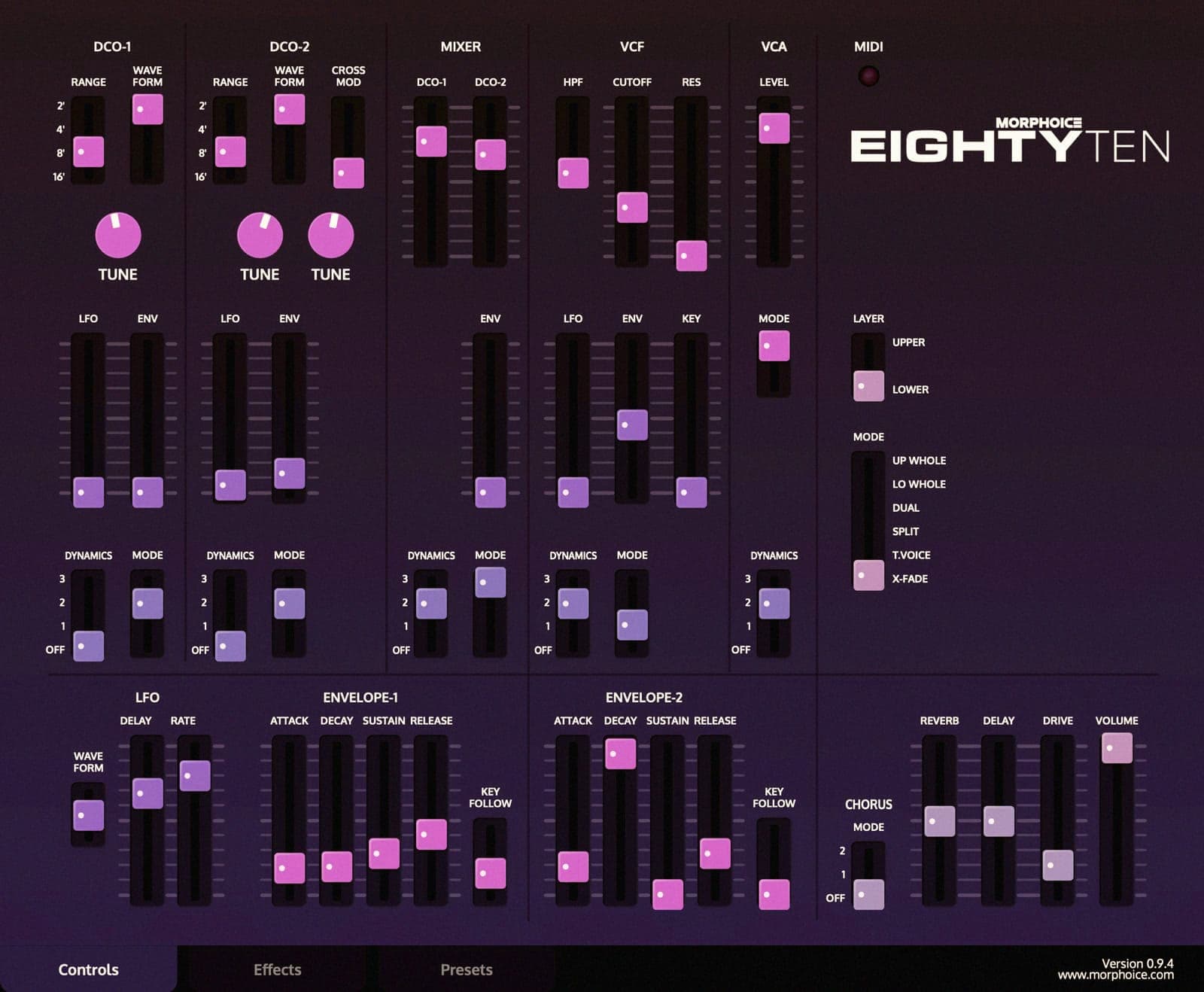
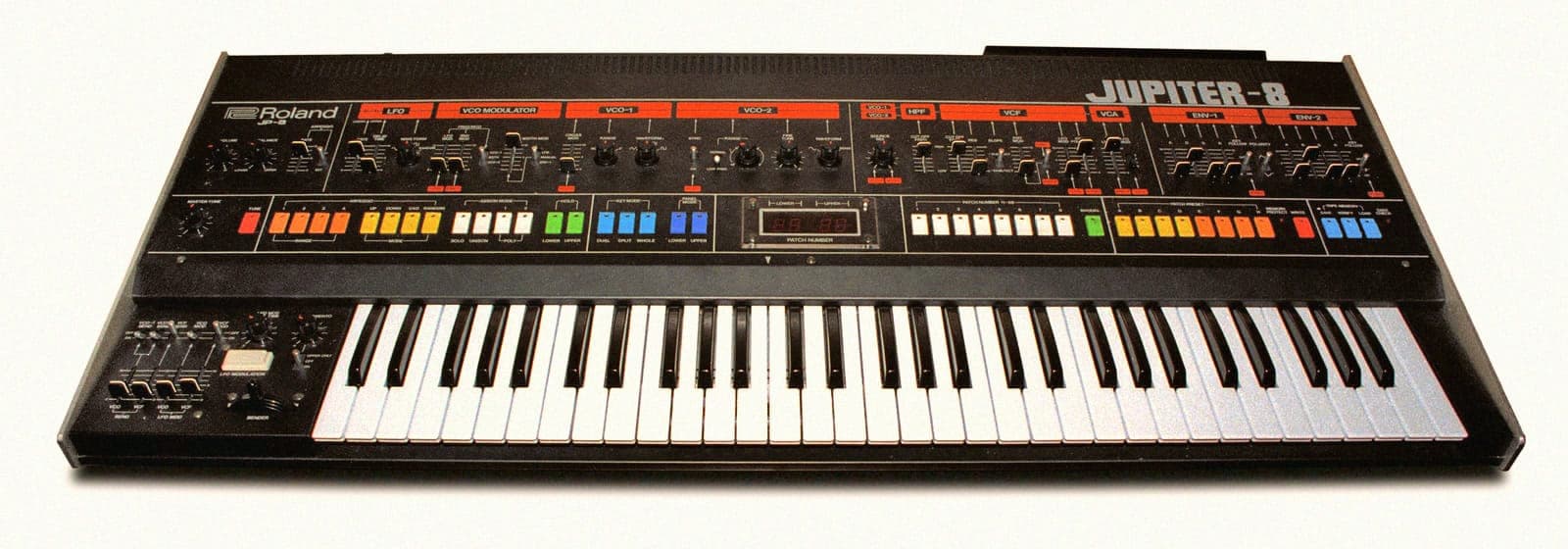
The Roland Jupiter-8 is one of the most loved analog polysynths ever built, a 1981 machine whose pads and brass run through decades of electronic music. Morphoice's EightyEight is a software recreation of it, and the interesting part is the method. Rather than approximate the sound with generic virtual-analog blocks, Morphoice says it measured a real Jupiter-8 and modeled the oscillators, the filter and the envelopes from those specific hardware sections.
The headline trick is the voices. The original had eight voice cards, and on a forty-year-old unit no two age the same way. EightyEight recreates eight separate cards with their nonlinearities, detuning, drift and wobble, then adds a 'vintage' slider that runs from a clean, freshly-calibrated machine to a drifting, worn-out one. For house and techno producers, that imperfection is the whole point: it is the slight wrongness that makes an old synth sound alive rather than sampled.
How does it compare to the Jupiter-8 emulations already out there?
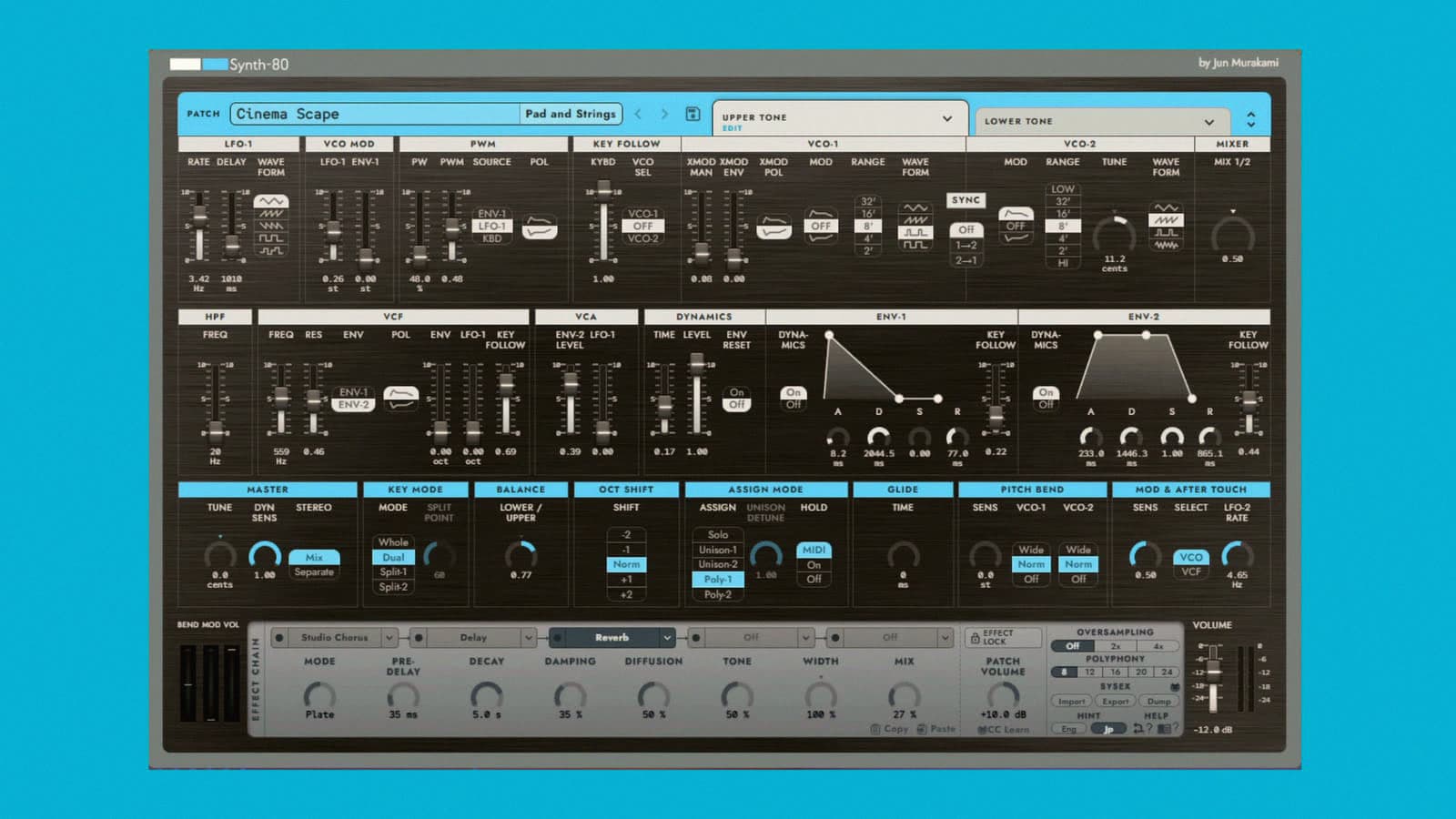
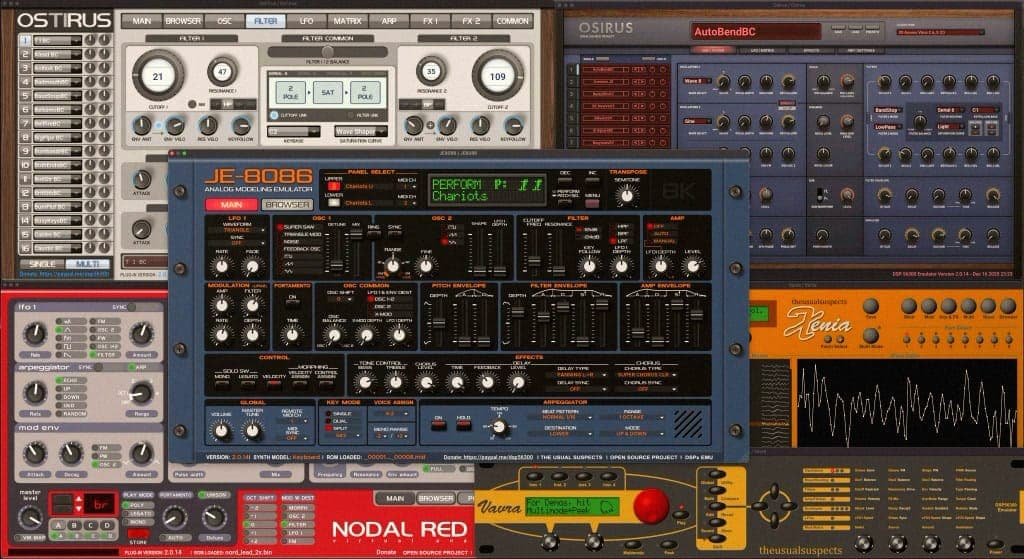
There is no shortage of JP-8 plugins, from Roland's own Cloud version to TAL and others, so a new one has to justify itself. EightyEight argues two ways. First, it gives each voice two oscillators with a fuller waveform set than the original (sine, saw, pulse, square and noise), so it can go beyond strict authenticity when you want. Second, it keeps the classic filter pairing: a four-pole resonant lowpass and a non-resonant highpass, the combination that gives the Jupiter its airy, slightly hollow signature.
Modeling the wear, not just the schematic, is the bet that sets this one apart.
What is the catch?
It is a beta, and an honest one. Morphoice says the arpeggiator, the LFO and the Jupiter-8's signature cross-modulation are not implemented yet and will arrive over the coming weeks. The plugin runs as VST3 and AU on macOS (Apple Silicon and Intel), Windows and Linux. Pricing is pay-what-you-want on Gumroad, and a contribution of ten dollars or more secures a free licence once the synth is officially released. For now, the cost of trying one of the great analog polys is whatever you decide it is worth.