Tbilisi's techno scene has a creation myth built around Bassiani and KHIDI, the clubs that put the city on every festival booker's map after 2014. Mtkvarze came first. It opened in 2012 inside a former 1950s fish restaurant on the banks of the Mtkvari river, and it is now closing because somebody sold the building out from under it.
How does a venue lose its building without knowing?
According to Georgia Today, the property was quietly listed for sale back in August 2026: $1.25 million for 570 square meters of land and the structure itself, handled through a company called Mtkvari LLC. Nobody at the club appears to have been part of that conversation. Resident Advisor reported in October that Mtkvarze only found out the building had actually changed hands after the sale was done, with no advance notice and still no fixed date for when the doors close for good.
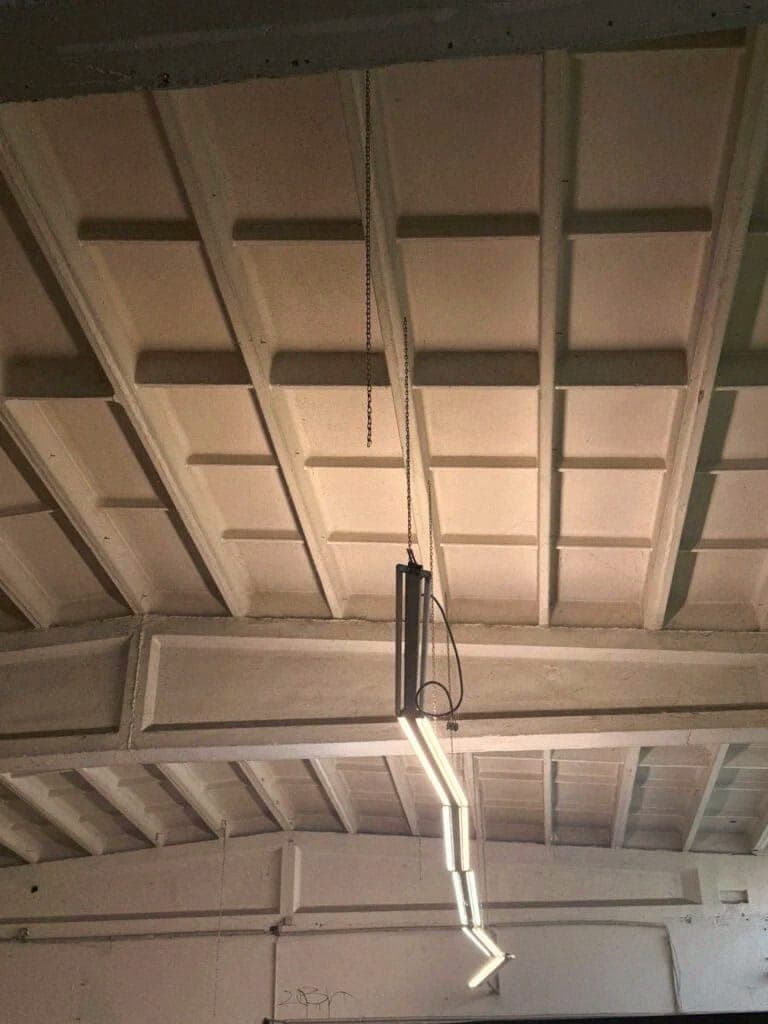
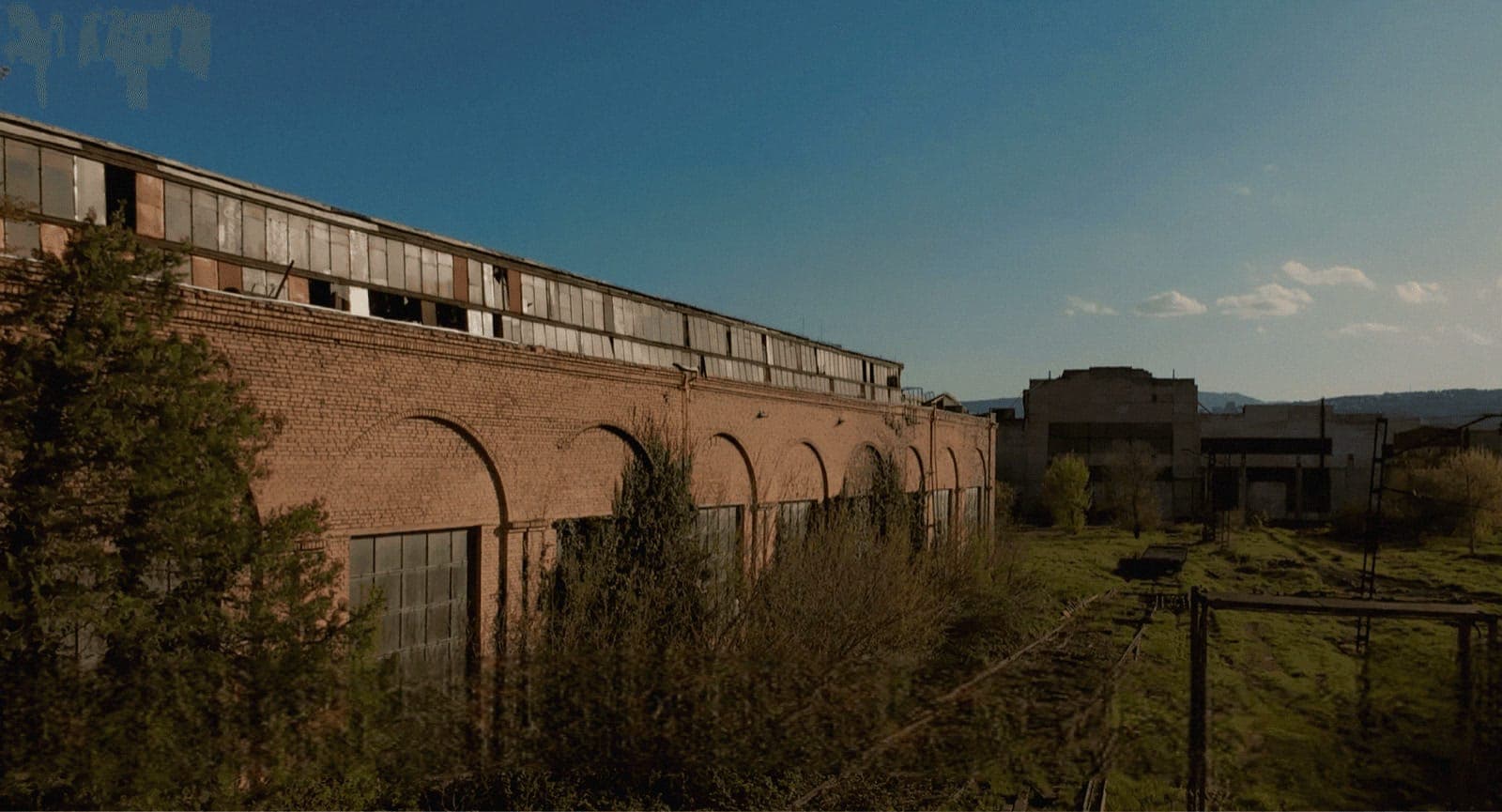
That gap between the quiet August listing and the October announcement is the real story here. A team that spent 14 years building a room's reputation, booking its lineups and cultivating its crowd had zero say in the transaction that just ended all of it. The building dates to 1960, designed by architect Chachanidze as the original Mtkvari restaurant, with the kind of monumental columns and arched stained-glass windows that get it cited as a recognized example of Soviet-era Tbilisi architecture. Georgia's Public Registry lists seven owners across its history. Mtkvarze was only ever a tenant in someone else's asset.
"This is not the end, our journey will continue for a long time. We believe in our team, our many years of experience, your trust and love, and our shared legacy."
The club posted that line on Instagram rather than announcing a relaunch plan, and nothing in either source spells out what comes next. Take it as exactly what it is: a team refusing to call this a death, not a confirmed second act.
Why does this matter beyond one club in Georgia?
Mtkvarze threw a ten-hour party for its 14th anniversary on October 23, 2026, the kind of marathon set that defined the room for over a decade, while already down to its final nights. It is the venue that proved Tbilisi could hold a serious techno crowd before Bassiani or KHIDI ever opened their doors, and that history gets erased by a property sale that had nothing to do with music, crowds or culture.