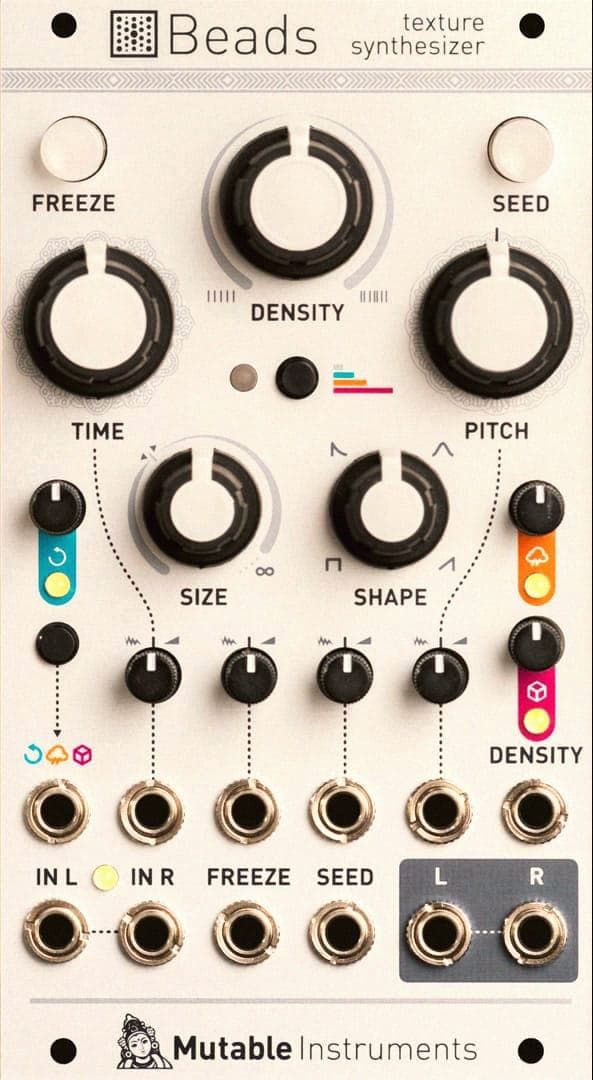
Four years after Mutable Instruments shut its doors, Emilie Gillet just handed the DIY synth world the one module she had kept locked. Beads, her granular reinvention of the cult favorite Clouds and the last module she shipped before leaving the Eurorack market in December 2022, went fully open source on October 12, 2026.
Why did Gillet wait four years to open Beads?
Every other Mutable Instruments module got its source code released eventually, which is exactly what built the company's reputation as the most hacker-friendly name in modular. Beads was the outlier. Third-party alternative firmware for it already circulated, but the official code and hardware files stayed closed, right as Gillet was walking away from the market. The obvious read: she didn't want a wave of clones landing the moment she stopped making the real thing. Four years on, with Mutable Instruments long retired and the module still fetching strong resale prices, she posted both the code and the hardware design to her pichenettes GitHub repository.
What can the DIY community actually do with it?
The split license matters. The software is MIT, about as permissive as licensing gets. The hardware design is Creative Commons Attribution-ShareAlike 3.0, which means anyone building a physical clone has to share their own design back under the same terms, it cannot be locked up again. Builders are free to manufacture, sell, and modify Beads to their heart's content. The one line they can't cross: nothing they build can be called "Beads" or carry the "Mutable Instruments" name, precisely so a clone never gets mistaken for the original on a shop shelf or a patch-sharing forum.
A crisper and broader sound palette, more control, better playability, and direct access to exciting new features.
That's how Gillet described what Beads added over Clouds when she first launched it, not a simple Mark 2 but a ground-up reinvention of the granular engine that made Clouds a modular staple in the first place.
What does this mean for open hardware culture?
Mutable Instruments already has a cloning history: its open-source policy is exactly what let manufacturers like Behringer build affordable versions of Gillet's earlier designs for players who couldn't justify boutique Eurorack prices. Beads opening the same door means the DIY builders, small manufacturers, and firmware tinkerers who kept the Clouds ecosystem alive for years finally get the real blueprint to work from, legally and completely. There's a less comfortable side to the timing too. Code dropped onto GitHub in 2026 gets scraped by AI training pipelines almost instantly, and an MIT license carries no obligation for anyone, human or machine, to credit where it came from. Gillet giving this away now, rather than letting it leak or get reverse-engineered first, reads like someone choosing the terms of her own module's afterlife.