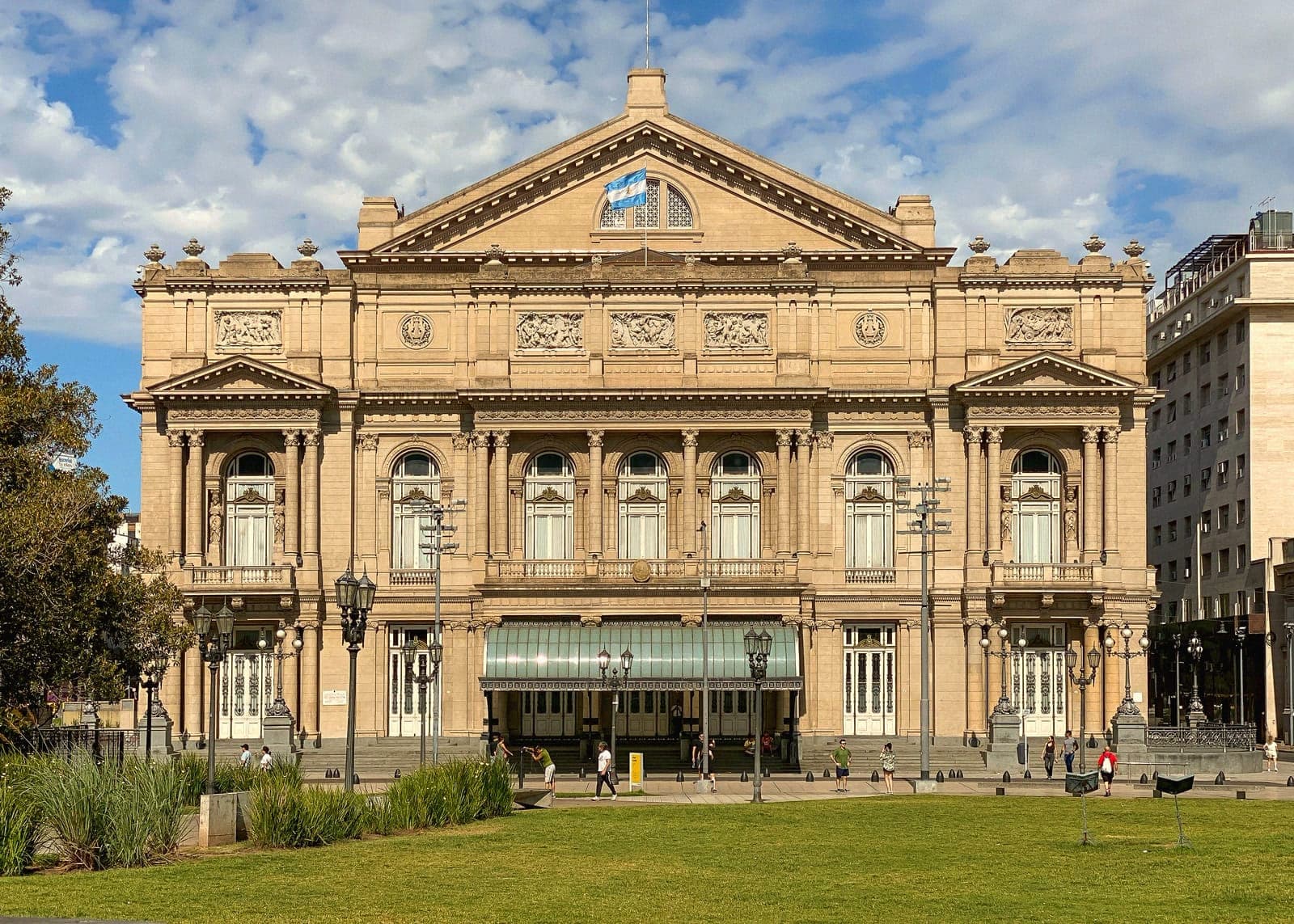
Most electronic festivals fight for a warehouse, a car park, a field. Artlab got Argentina's national theater system to open its doors instead. On October 7, MUTEK Argentina's eighth edition opens inside Teatro San Martin's Sala Martin Coronado, the kind of stage usually booked for ballet and state-funded drama. A day later, the festival moves into the Centro de Experimentacion del Teatro Colon, the research and performance wing attached to Buenos Aires' opera house. Neither booking is a novelty stunt. MUTEK has used both rooms before, and this year's return confirms that Argentina's most prestigious performing-arts institutions now treat live audiovisual electronic music as a standing fixture, not a one-off experiment.
Why would an opera house book a rave-adjacent festival?
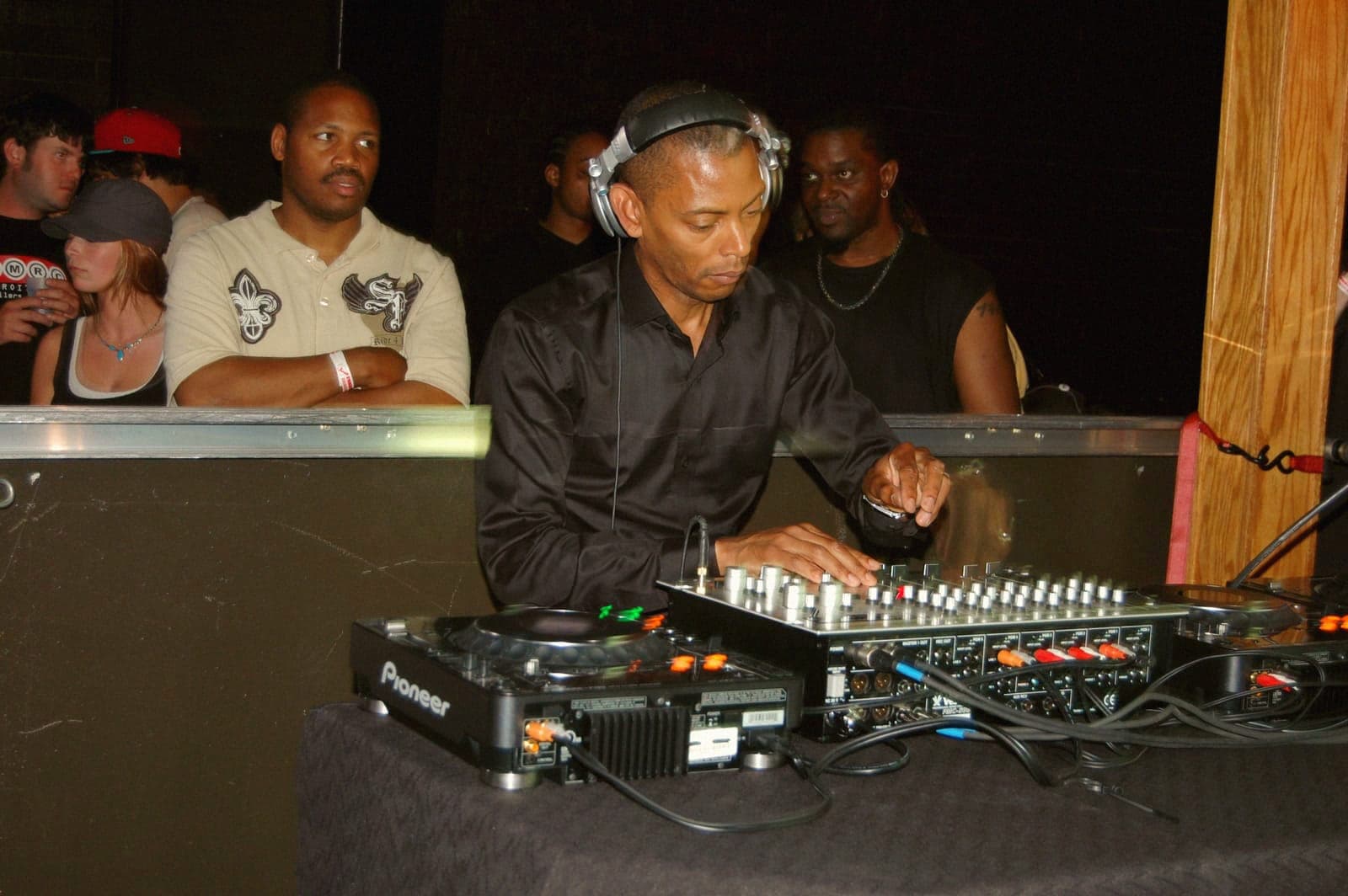
Because MUTEK was never really club music to begin with. The format the Montreal festival exports worldwide, the live A/V set, pairs a producer's modular rig or laptop set with visuals built and triggered in real time, closer to a gallery installation than a DJ night. That reads as serious art to an institution like Teatro Colon in a way a straight DJ booking never would, and it is precisely the register MUTEK has built its 26-year global franchise on, with sister editions running in Mexico City, Tokyo and Barcelona. Buenos Aires earned its own slot in 2017, when local producers Artlab, the city's dedicated digital-arts hub, convinced MUTEK's Montreal organizers the scene here could sustain a full edition. Eight editions later, the proof is the venues themselves.
What's actually on this year's lineup?
Thirty-three artists across five programmed strands. Satoshi Tomiie, the Japanese house veteran whose studio work with Frankie Knuckles shaped early-90s New York house, performs twice, as does Berlin's Dana Ruh, who closes the opening night's Play strand at Artlab on October 9 with a DJ set after nearly ten hours of live A/V performances. The bill also carries Ana Vojnov, Klauss, Barem, Carlos Alfonsin, Koiwa and Montreal visual artist Joanie Lemercier under his Studio Lemercier alias, whose light-based installations have made him one of the format's defining names internationally. The festival ends the way most club crowds would recognize: Nocturno runs an overnight set at Deseo on October 10, and Experience closes the week at La Nube on October 11 with an afternoon-into-dawn session, both far closer to a conventional dancefloor than anything on the opening nights.
MUTEK's signature is the live A/V set, artists performing electronic music with synchronized visual works, a format the Buenos Aires scene has made its own.
Does this change where experimental electronic music's center of gravity sits?
Latin America's electronic scene gets covered abroad almost entirely through its club circuit, Brazil's afro house boom, Mexico's festival economy, Buenos Aires' own famously packed weekend party calendar. The AV and installation wing of the genre, the part that lives in galleries and research centers rather than clubs, rarely gets the same attention, and it has historically clustered around Europe and North America. An eighth consecutive Buenos Aires edition, now with two nights inside the country's flagship cultural institutions, says the region has built real standing in that other half of the scene too, not just imported it for a weekend.