What is SO·HER, and why does it matter that Ellen Allien is on the same bill?
Caen's Le Cargö venue launched SO·HER in 2025 as a year-long accompaniment programme for women, trans and non-binary artists from Normandy's electronic scene. It is not a showcase stage tucked off to the side: participants get DJ-technique and production training, studio residencies, media coaching and mentorship from working DJs, then a paid slot once they graduate. The first cohort, six artists including DJ Claude, LOMA, Maivoor, Nemerha, Aineudeuzaile and Voyoute, closed out its year with a paid show at Le Cargö on July 26, 2026. A second cohort launched that June.
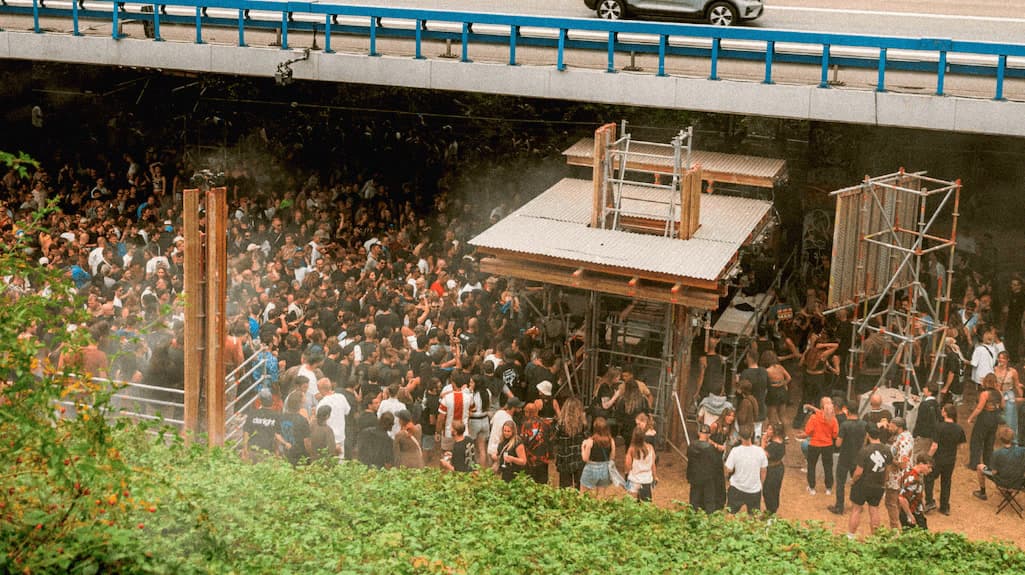
For NDK Festival's sixth edition, running October 7 to 11 in Caen, three SO·HER graduates, NE2L, Maivoor and Cholitx, are not filed under a separate "emerging artists" tag. They are booked into the same programme as Ellen Allien, the Berlin techno veteran who founded BPitch Control in 1999 and has spent more than two decades publicly pushing back on techno's gender imbalance, on NDK Night 1 on October 9 and across the week's other slots. That placement is the actual story: a training pipeline only proves itself the moment its graduates share a poster with people already inside the industry, not when it produces a nice statistic for a press release.
Who else is playing, and what does the rest of the lineup look like?
NDK Night 1 (October 9) runs techno, bass music and deconstructed club with Ellen Allien, Nextdimensional, Caiva, Digé M0M0 and Cholitx across Le Cargö's stages. NDK Night 2 (October 10) tilts harder, with Akira, Andy Garvey, Gabber Eleganza and Nurse Erica. Around those two nights sit NDKids (October 7, a free family rave on Le Cargö's plaza), NDK Campus (October 7, a free student concert at the university), NDK Free Night (October 8, a free bill including NE2L and DJ Travella) and a closing NDK Brunch (October 11) with Maivoor. Organisers put the gender split at 18 of the 36 artists booked across the week, roughly parity, a number that doesn't happen by accident on a festival bill this size.
Why does a regional training programme get to matter beyond Caen?
"The goal hasn't changed: accompany and grow artistic projects from Normandy's electronic scene.", Le Cargö
The wider debate over who gets booked on techno lineups rarely moves past headcounts and pledges. Normandy's answer is structural: pay for the training, then put graduates on the same stage and the same fee scale as the headliner, rather than a satellite slot. Whether NE2L, Maivoor and Cholitx get rebooked outside the festival that trained them next year is the real test of whether this works, not this week's lineup graphic.