Why does a Blur drummer's court loss matter to house music?
Because the money at the centre of it is partly ours. When a DJ set or a club night goes unlogged, and most of them do, the performing-rights income still gets collected. It just cannot be tied to a specific track or writer. That unmatched pile is what the industry calls the 'black box'. PRS for Music then shares it out pro rata, in proportion to what each member already earns from matched plays.
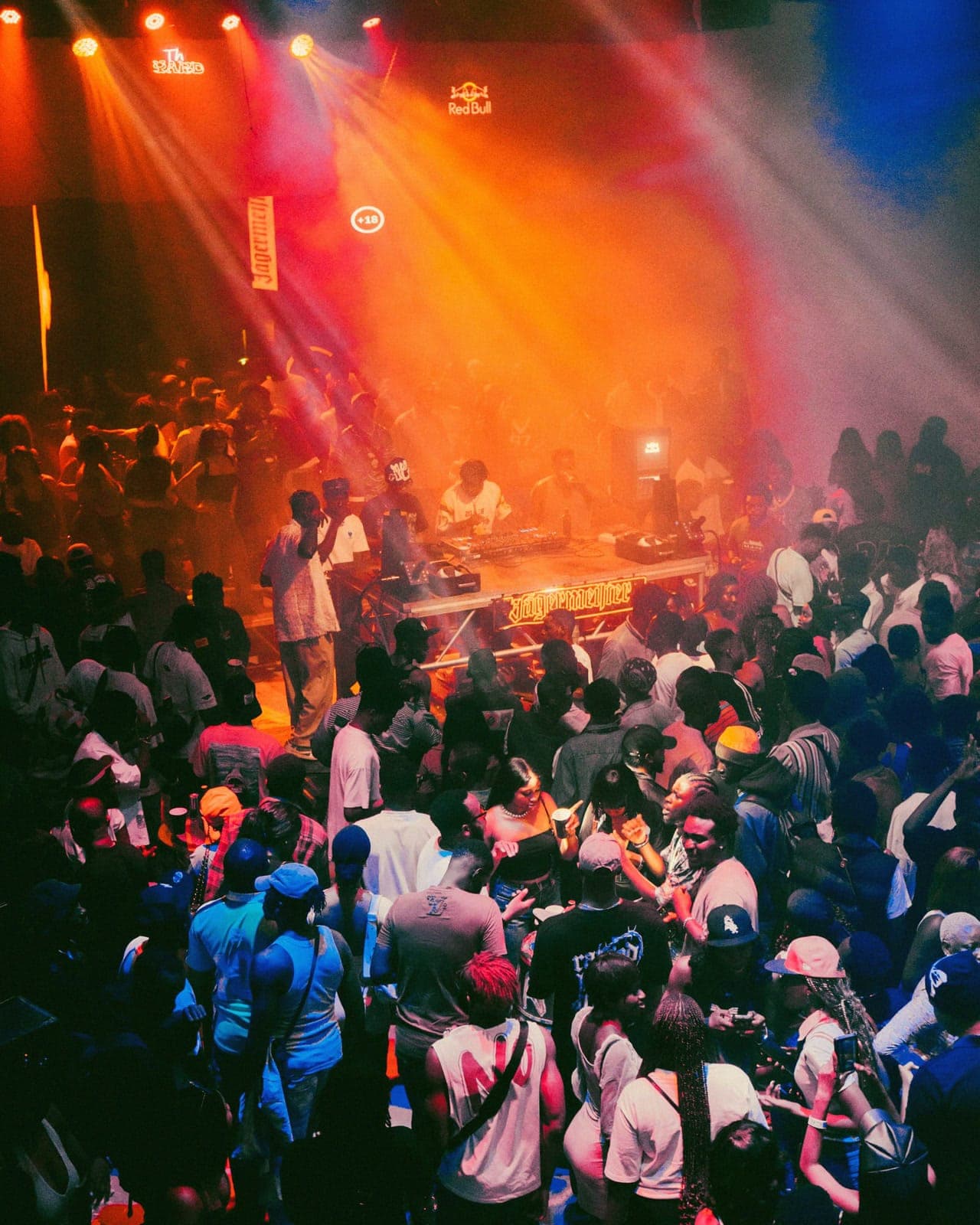
Sit with that for a second. The plays that vanish into the box come heavily from the underground: warehouse sets, back-to-backs, edits and dubs that no reporting system ever captures. The money that pile generates is then redistributed toward the writers with the biggest matched catalogues, which in practice means chart pop, not the producers whose tracks actually filled the room.
What exactly did the court decide?
On 29 June 2026 the Court of Appeal ([2026] EWCA Civ 814) dismissed the claim brought by Dave Rowntree, upholding the Competition Appeal Tribunal, which had already struck it out and refused to certify it as collective proceedings. The proposed class covered every PRS songwriter member from March 2017 to the day the claim was issued.
Rowntree argued the pro-rata method was unfair and that writers may have been left out of as much as £200 million, an abuse of a dominant position under the Competition Act 1998. The judges did not rule the split was fair. They ruled he had given them nothing to weigh it against.
The true distribution is unknowable, because the data that would reveal it is exactly the data that went missing.
So is the black box now settled law?
No. Lord Justice Miles put the core problem plainly: no realistic alternative had been put forward. A flat per-head split would just move the unfairness onto successful writers, and no other counterfactual was offered, so there was nothing to test the current rule against. Rowntree accepted this could not be run as a competition-law case. That does not necessarily close every other route, but this particular class action is dead.