What exactly is closing?
Pulse 22, the techno club built into a Gothic cellar in Prague's Old Town, is shutting down at the end of November 2026. The club broke the news on Facebook, inviting the city out for a farewell run billed as "Last Dance in Jilská & Pulse 22" on November 27 and 28, with Resident Advisor's listings showing final parties running into November 29. Up to 29 DJs are confirmed across the weekend, among them NFKS, Jochen Gareth, Schwing & Rob Smile, Soxy, and Cofi & Rotari. Neither the club nor its landlord has said why the run is ending; Groove and Resident Advisor both describe the reason as unannounced.
What's actually in this room?
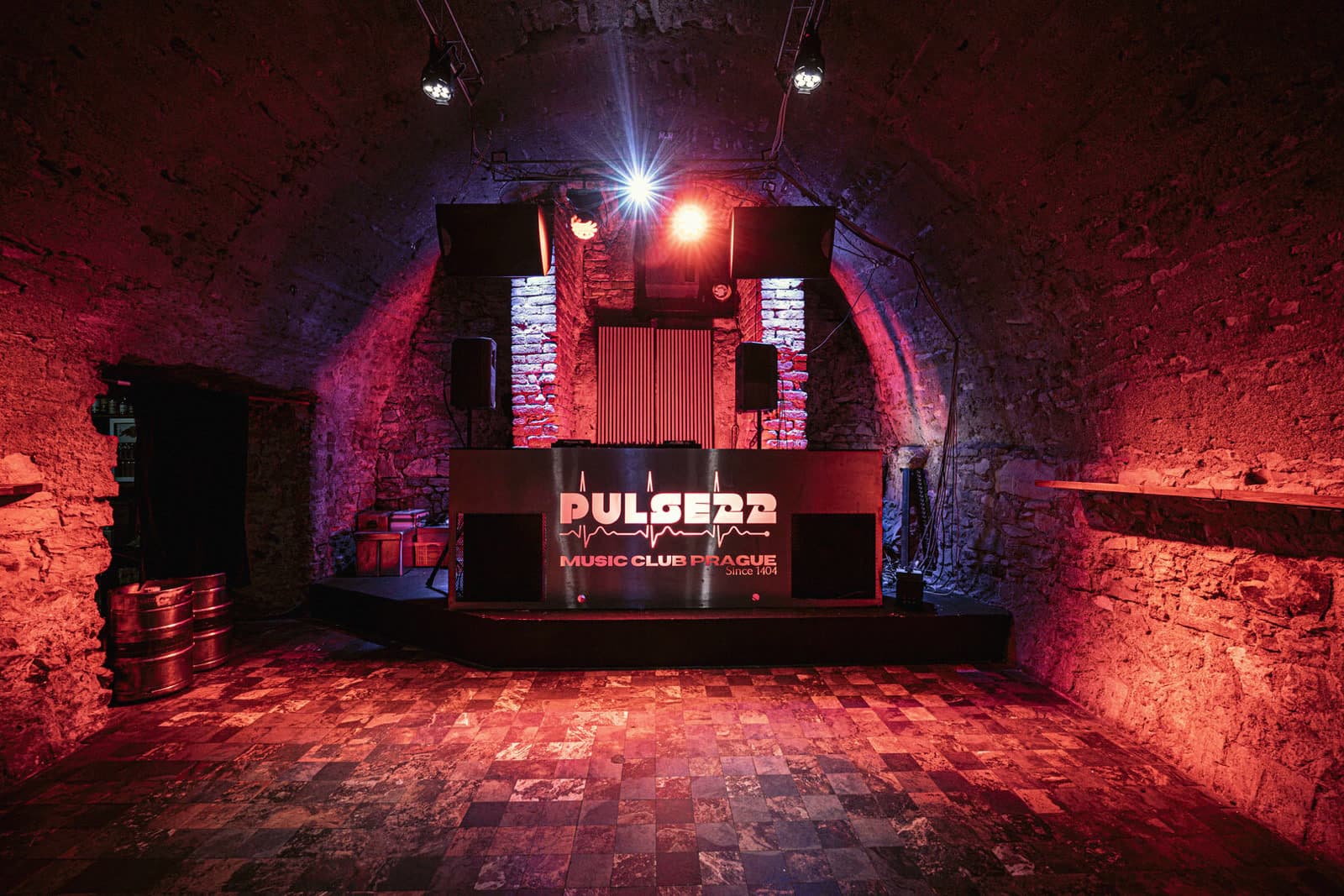
The address is Jilská 22, a few steps off Prague's Old Town Square, and the club trades on the line "Since 1404", the age of the Gothic vaults underneath it, not the age of the club itself. Over six centuries the same stone cellar has done time as storage, a restaurant, a gaming hall and a fencing club. Its sharpest footnote dates to the communist decades, when the vaults reportedly held a dissident music club, well known enough that Czech president Václav Havel is said to have brought the then-Prince Charles down to see it.
The current operation is much younger. Marek Sokol took over the lease in April 2019 and, with community support, built the space into Music Venue Jilská 22, a room that leaned harder into electronic music as it went. He crowdfunded through the room's reserves during the pandemic, then renovated and rebranded it as Pulse 22 in 2024, sharpening the booking policy around techno and club music.
No reason for the closure has been made public, not by the club, not by the landlord, not by the city.
Why does a quiet closure like this matter?
A club folding without an explanation is the least dramatic way for a scene to lose a room, which is exactly why it's worth flagging. There's no eviction fight to rally behind, no permit battle to cover, just a lease that apparently runs out at the end of a calendar page. For a cellar this old, sitting on some of the most tourist-dense square footage in the Czech capital, the silence itself says something about who holds the leverage over nightlife in a heritage building: not the promoters who spent seven years turning it into a room people traveled for.