What exactly are the two clubs fighting over?
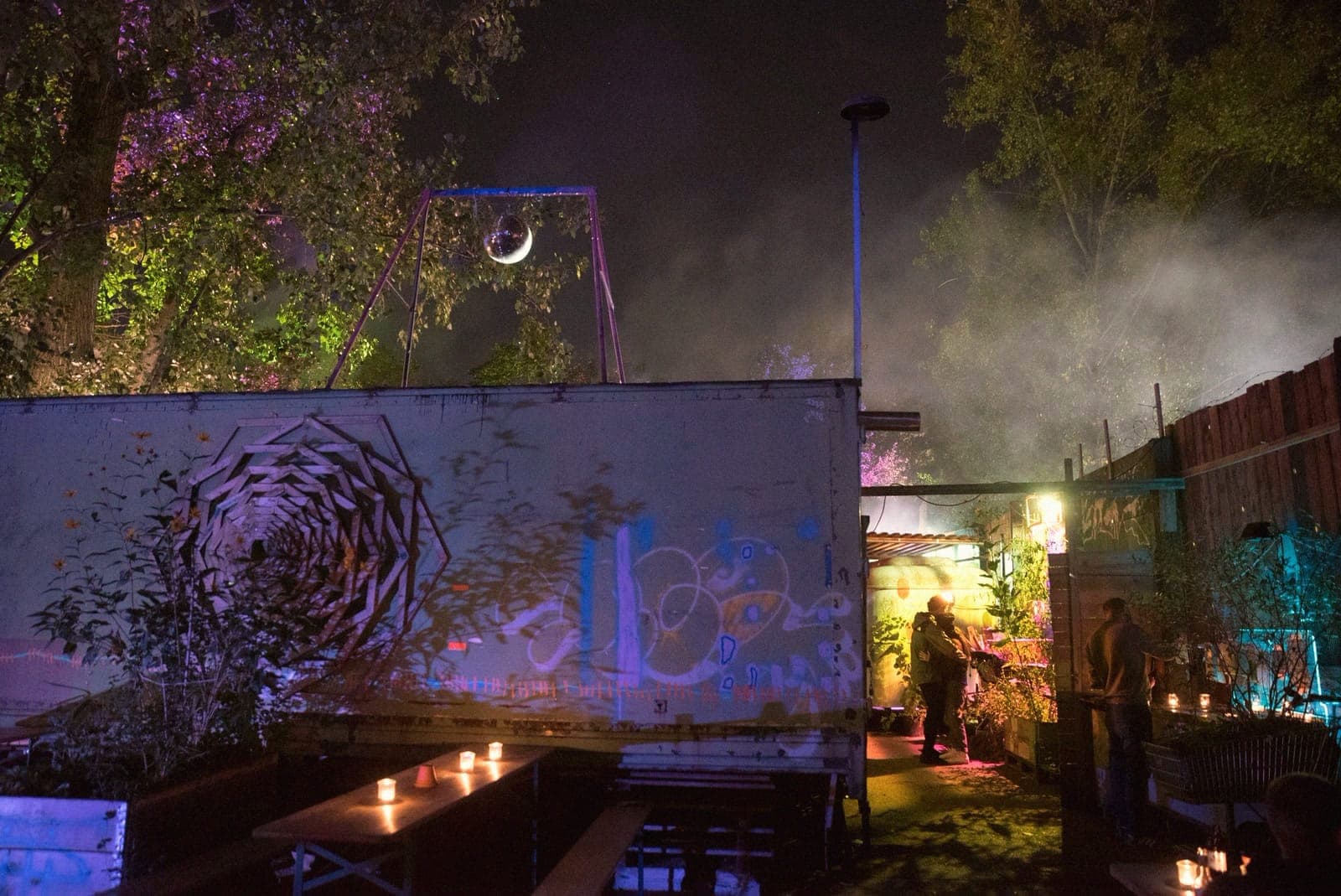
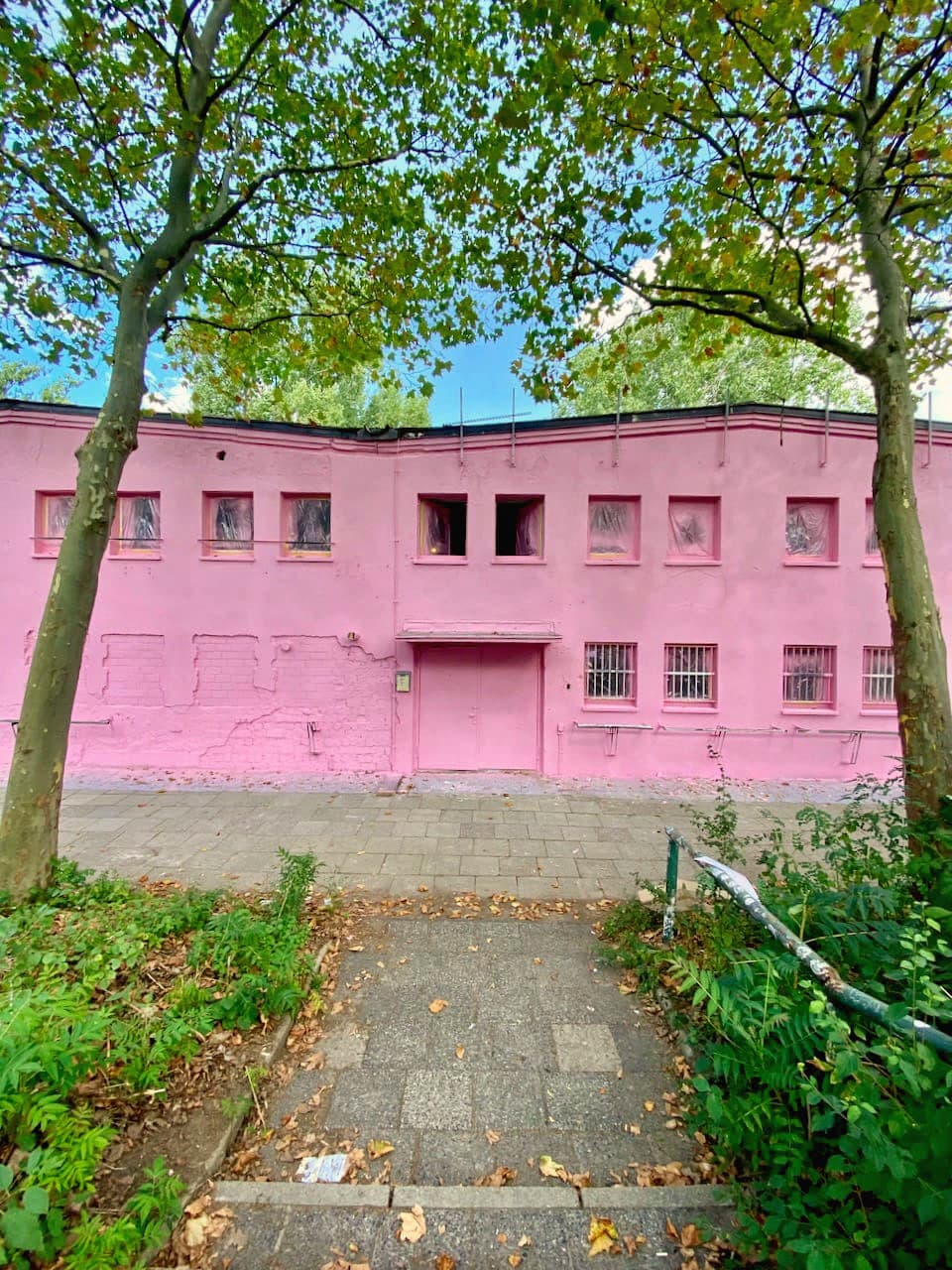
On September 12, ROSA opened in Berlin-Pankow, in the industrial hall at Storkower Strasse 121 that used to house Mensch Meier, right next to the hard-techno room DSTRKT. The operator is 121 Studio GmbH, run by Victor Rudek, who also owns HIVE Festival and DSTRKT. The press release calls it a "queer-friendly community and kink club," and it was originally slated to open on September 5 before slipping a week.
The name isn't new. ROSA has run in Greifswald, a small city in Mecklenburg-Vorpommern, for years, building a reputation for a similar safety-first, community-oriented approach to kink. Its founder, Murat Demirkaya, announced the club's closure at the end of January 2026 after running costs became unsustainable, before finding a way to keep it alive after all. When guests and DJs started messaging him this summer asking whether Greifswald's ROSA was somehow connected to a new Berlin club with the same name, similar lowercase logo lettering and comparable branding, he says it was the first he'd heard of it.
Demirkaya describes three separate outreach attempts, an email, an Instagram message and, after silence, a certified letter with a deadline, and says all he got back was a message from a Berlin ROSA staffer saying the boss was on vacation until August 30. When he asked for the boss's name, nobody answered. His deadline has since passed.
"It's like we'd parked our bike, and someone else comes along, sits on it and rides off."
That's how Demirkaya puts it. A HIVE Festival co-founder also left a comment under a Greifswald ROSA social post, telling the Mecklenburg club to worry about keeping its own lights on instead of blocking "his culture." The comment was later deleted, though Demirkaya kept a screenshot. Berlin ROSA's Instagram, previously open with comments disabled, has since gone private.
How does Berlin's ROSA explain the overlap, and how is it selling itself?
Asked about the name, night manager Dragan and safeguarding coach Karl Verboten wave it off, pointing out there's also an intercultural women's meeting space called ROSA in Marzahn and a punk band called R.O.S.A. Berlin. "I don't think anyone set out to take someone else's name," Verboten says. "We simply live in a saturated world."
Verboten is the founder of Klub Verboten, a kink event series that started in London a decade ago and now runs in Berlin, Manchester, Warsaw and Amsterdam, funded in part by Arts Council England. He and Dragan built ROSA's safety pitch around a 15-point code of conduct and a trained "Safeguards" team, and they're explicit that the model exists to be everything KitKat Club hasn't been. KitKat's decades-long fame has come with public reports of sexual assaults on its premises, and Dragan puts the competition bluntly: the city's best-known kink institution has three problems, he says, the music, the decor and what he calls "the assault factor."
Demirkaya's lawyer told him a trademark case would be an uphill fight, since the two ROSAs sit in different cities and he'd have to prove real consumer confusion. Instead, he's asked Meta and Resident Advisor to act on the duplicate name and account, though he says his hands are otherwise tied.
Why does this fight matter beyond one Instagram handle?
This isn't just a naming spat. It's a fight over who gets to define kink and queer nightlife as festival money moves in: Verboten himself admits the negotiations with HIVE took nearly as long as building the club, driven by his own worry about who should really run a space like this ("the investment capital in the UK, for instance, is 85 percent straight, white, older men," he says). He insists ROSA stays operationally independent of HIVE and says he'd walk if that changed.
Demirkaya's Greifswald club spent years doing the unglamorous work of building trust in a small city with none of HIVE's capital or reach. Whether ROSA Berlin's safety systems are genuinely stronger than KitKat's or just better marketed, the fact that a well-funded operator could open under a near-identical name and branding without so much as a phone call says plenty about the leverage gap between an independent club and a company that also runs a festival and a neighboring venue.