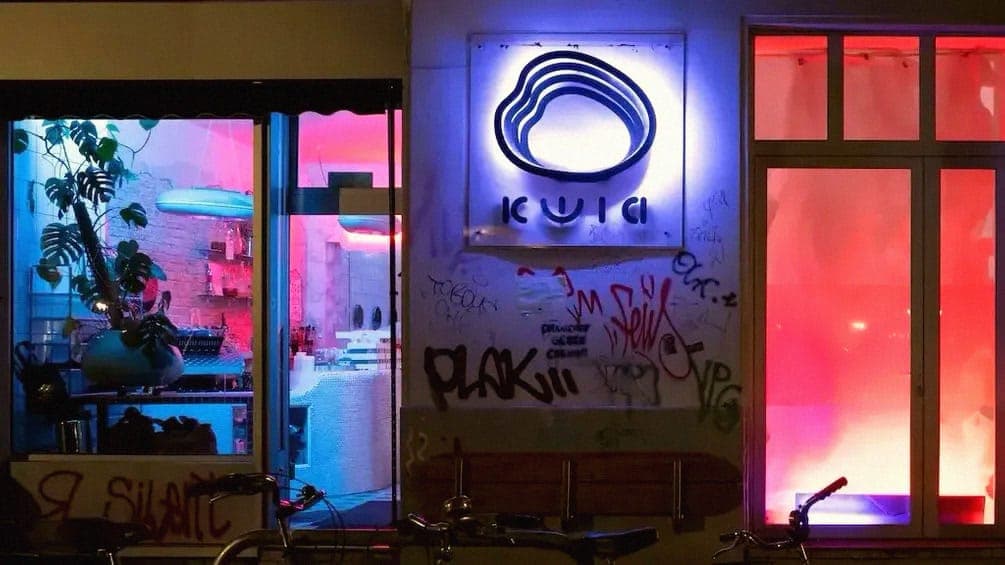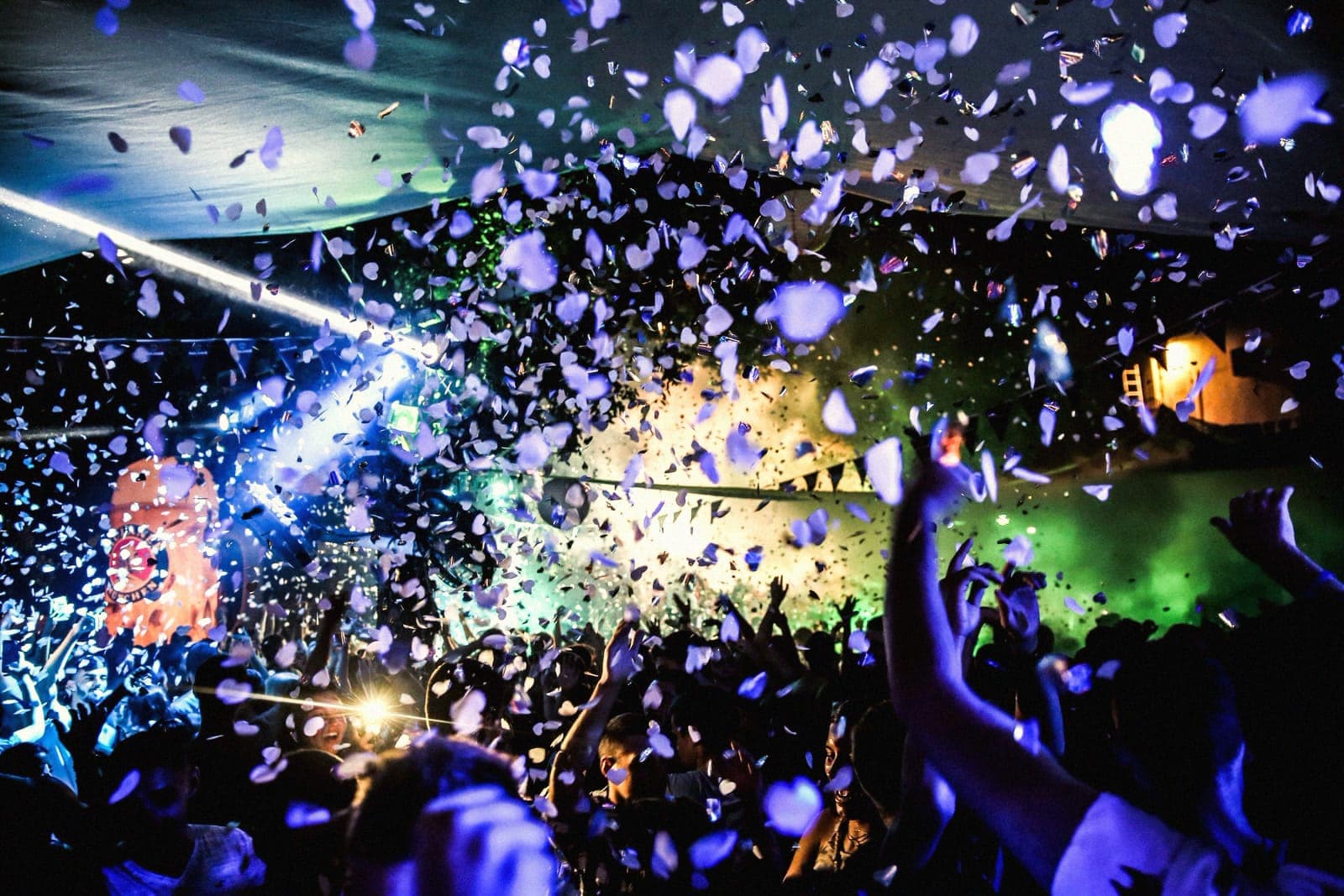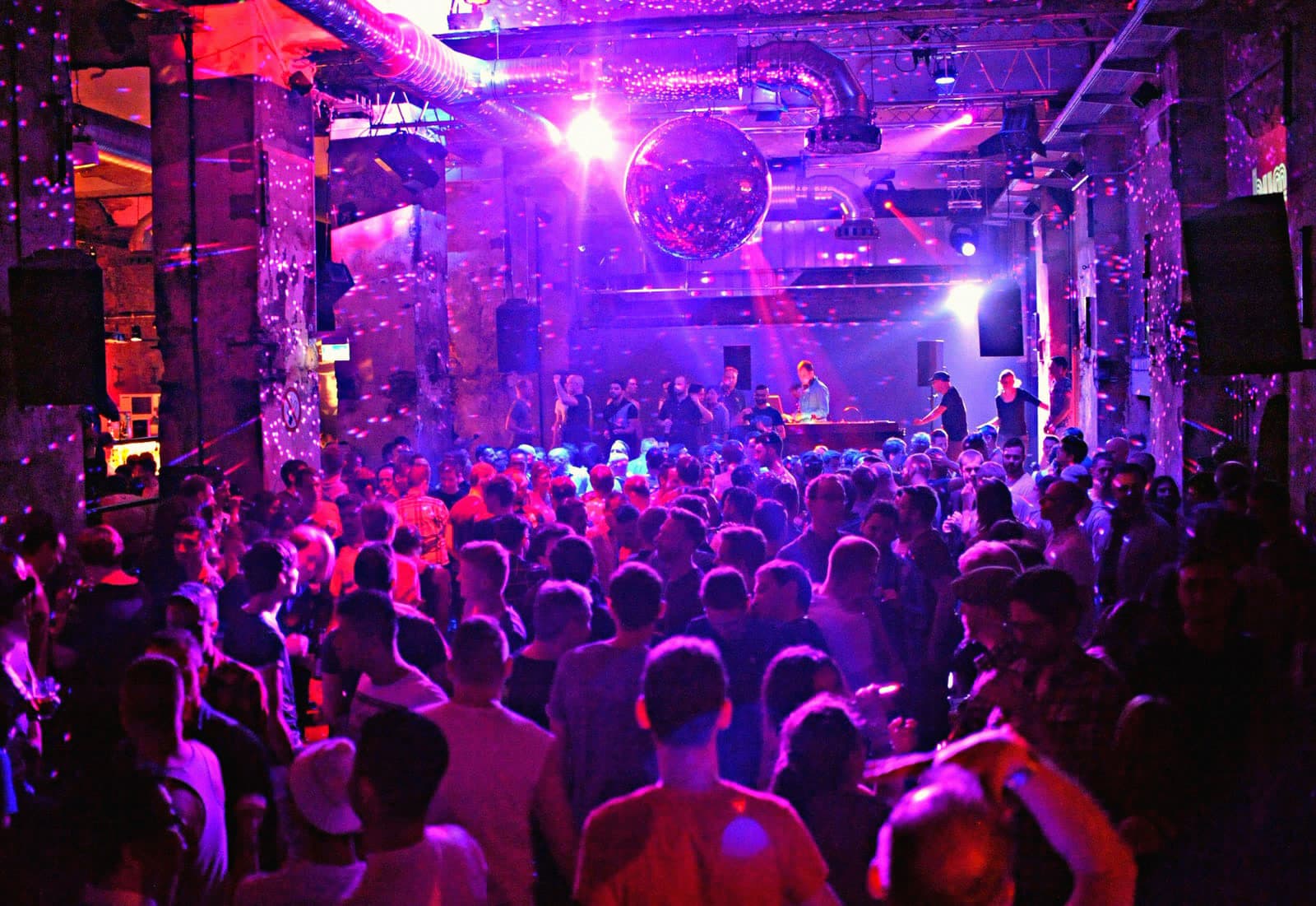
SchwuZ opened on 26 June 1977 in Kreuzberg under the name Schwulenzentrum, the Gay Centre. It was not just a club. It was the organisational spine of West Berlin's queer community at a moment when that community had almost no legal or social infrastructure to stand on. The Siegessäule magazine was born there. So was the Prinz Eisenherz bookstore, now the oldest gay bookstore in German-speaking Europe. Berlin's first Christopher Street Day, in 1979, was organised out of those walls. Counselling services ran alongside the dancefloor. For 48 years, it outlasted almost everything the city threw at it.
What Actually Broke the Finances?
The short answer: costs went up, the crowd went down, and the pricing model was never designed to survive both at once.
Energy bills tripled after the pandemic. Rent on Rollbergstraße kept climbing as Neukölln gentrified around it. Footfall never recovered to pre-2020 levels, partly because dating apps had changed how queer people find community and connection, partly because the disposable income of the club's core audience was itself under pressure. SchwuZ had a long-standing policy of keeping ticket prices deliberately low, a political choice to keep the space accessible to people who couldn't afford Berghain or the bigger commercial venues. That choice, admirable in principle, left almost no margin when the cost base doubled.
By 2025, the monthly operational deficit sat somewhere between €30,000 and €60,000. A crowdfunding campaign launched to try to close the gap. It raised €3,000 of the €150,000 target.
Around 33 staff, roughly one-third of the workforce, were let go in May 2025. The insolvency was announced on Instagram on 1 August 2025, the formal filing came on 2 August, and the Rollbergstraße doors closed permanently on 1 November 2025.
Is This Just Berlin's Problem?
No. But Berlin is where it is most visible right now.
The German word for what is happening is Clubsterben: club death. Nearly half of Berlin's clubs have considered or announced closure in the last two years. Watergate closed in early 2025. Wilde Renate is in an uncertain position. The planned extension of the A100 motorway threatens ://about blank, Else, and OST. The pressure is not unique to LGBTQ+ spaces, but SchwuZ represented something those other closures do not: an institution that pre-dates the city's reunification, that built the community infrastructure Berlin's queer scene still runs on.
Gentrification has driven out the population that sustained these venues. The people who built the scene can no longer afford to live where the scene is. That is not a Berlin problem. It is a problem in London, in Amsterdam, in every city where real estate capital has decided that nightlife space is better used as something else.
What Comes After Rollbergstraße?
The supporting association, the Förderverein, reorganised after the closure and has been running SchwuZ as a mobile event series since May 2026, moving between venues across Berlin. It is the same DNA in a different container. Whether that is a survival or a slow fade is a real question.
The Rollbergstraße building itself may not stay dark. Watergate, which shut its own doors on the Spree earlier in 2025, has been reported as considering taking over the space. That would be a strange kind of continuity: one closed Berlin club moving into the shell of another.
The community that built SchwuZ is still there. The city that can support a space for them may not be.