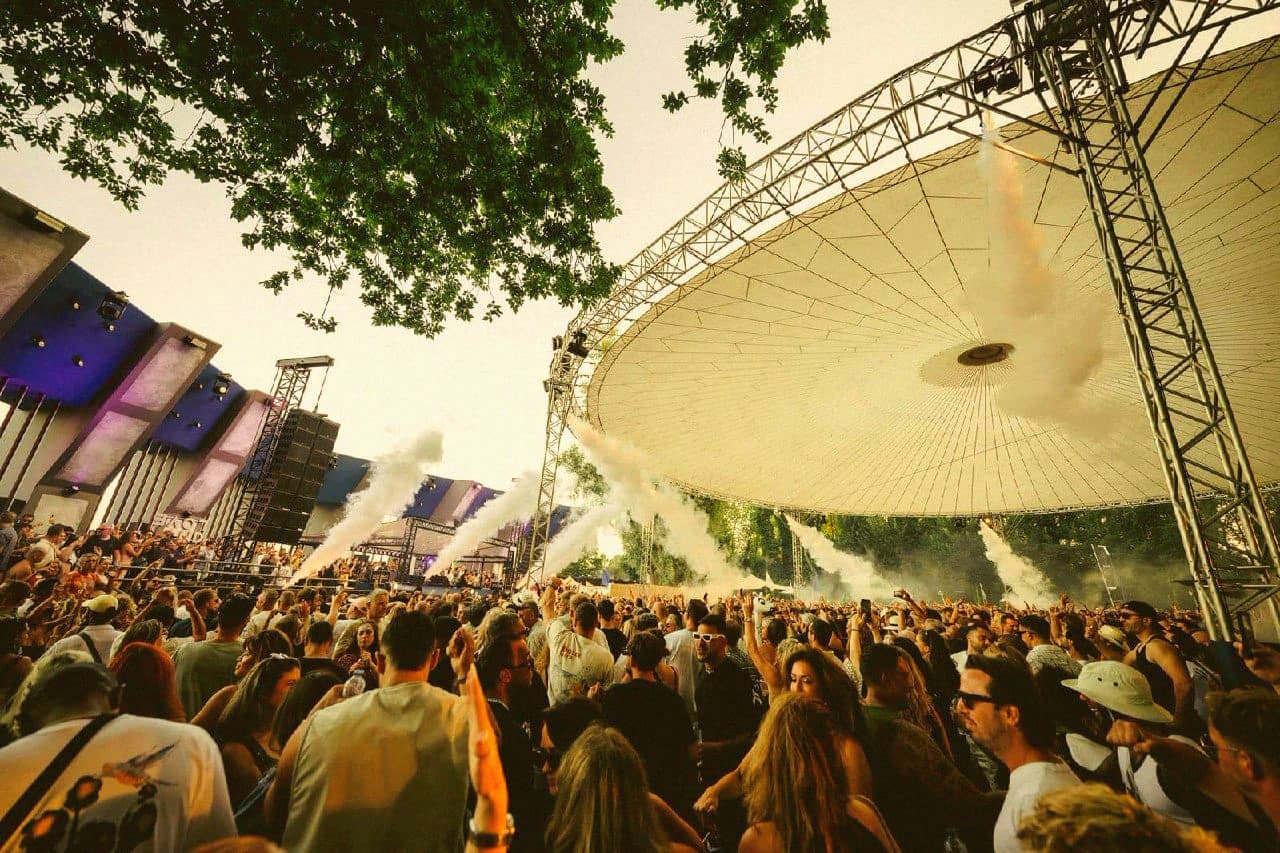
Ten years ago, Volumens started as a scrappy experiment to put Valencia on the map for electronic music that doesn't care about the dancefloor's comfort zone. This week it proves the bet paid off: the festival's tenth edition spreads across three of the city's most striking venues, from October 13 through 18, without softening the programming to celebrate the milestone.
What's actually on at Volumens this year?
The anniversary lineup leans into the festival's identity rather than away from it. Mouse on Mars, the German duo who have spent three decades blurring the line between composition and noise, bring a full live audiovisual set. Loraine James, one of the sharpest voices in UK electronic music right now, performs live with Fyn Dobson. Saint Abdullah & Eomac add their collaborative, politically-charged techno to the bill, and DJ Marcelle closes the whole thing out on October 17 with a three-hour set, the kind of marathon slot that tends to define a festival's reputation more than any headline name does.
The venues matter as much as the artists. CaixaForum, Bombas Gens Centre d'Art Digitals and 16 Toneladas give Volumens a spread most club-only festivals can't match: a cultural institution, a dedicated digital art centre and an industrial space built for sound, all within the same programme.
Why does the digital art side matter here?
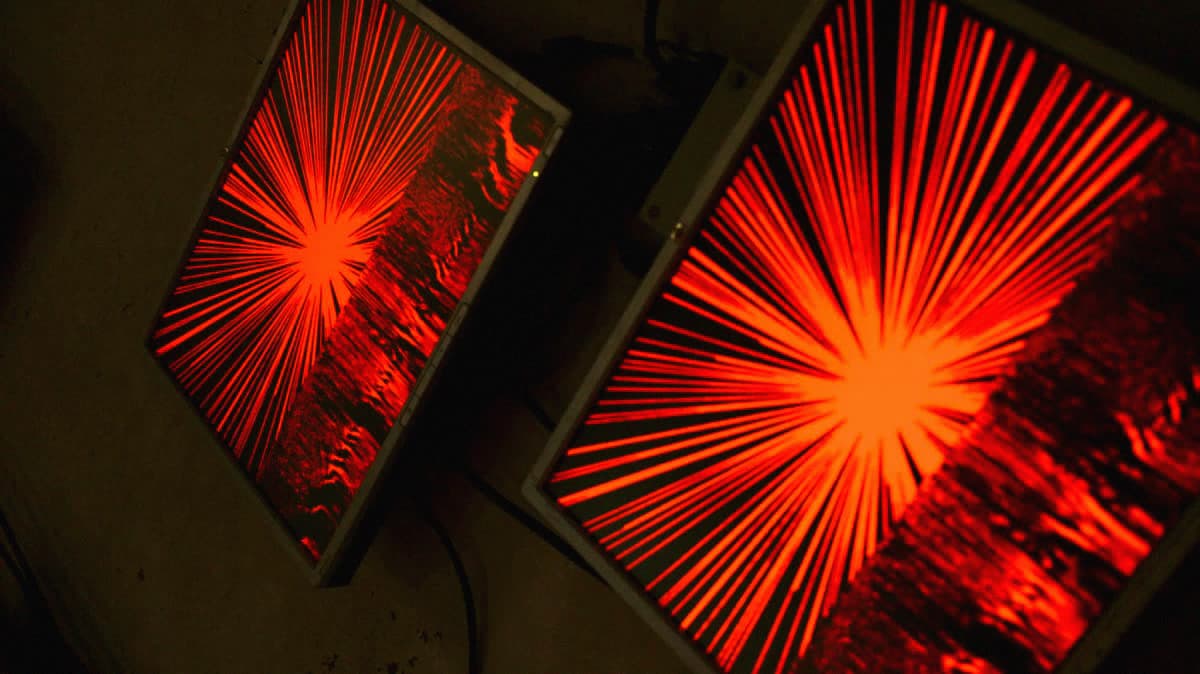
Volumens has never treated visual art as a backdrop for the music. Installations from Kati Katona, Christina Gerg, Owen McAteer, Diana Carmenate and the TarsLab collective run on their own terms, free to the public during the day, turning the festival into something closer to a biennial with a nightly soundtrack than a standard club lineup. That structure, cheap or free access to the art, paid tickets for the night sets at 10 to 25 euros, is part of why Volumens has built a loyal following without ever chasing a mainstream crowd.
A decade in, Volumens still reads like a festival built by people who'd rather lose money on a three-hour DJ Marcelle set than book a safe headliner.
What does ten years actually prove?
Most experimental electronic festivals in Southern Europe don't survive a decade; funding dries up, venues close, or the programming drifts toward whatever sells tickets fastest. Volumens hitting ten editions while still booking Saint Abdullah & Eomac over something more commercial says the model works, at least at the scale it's built for.