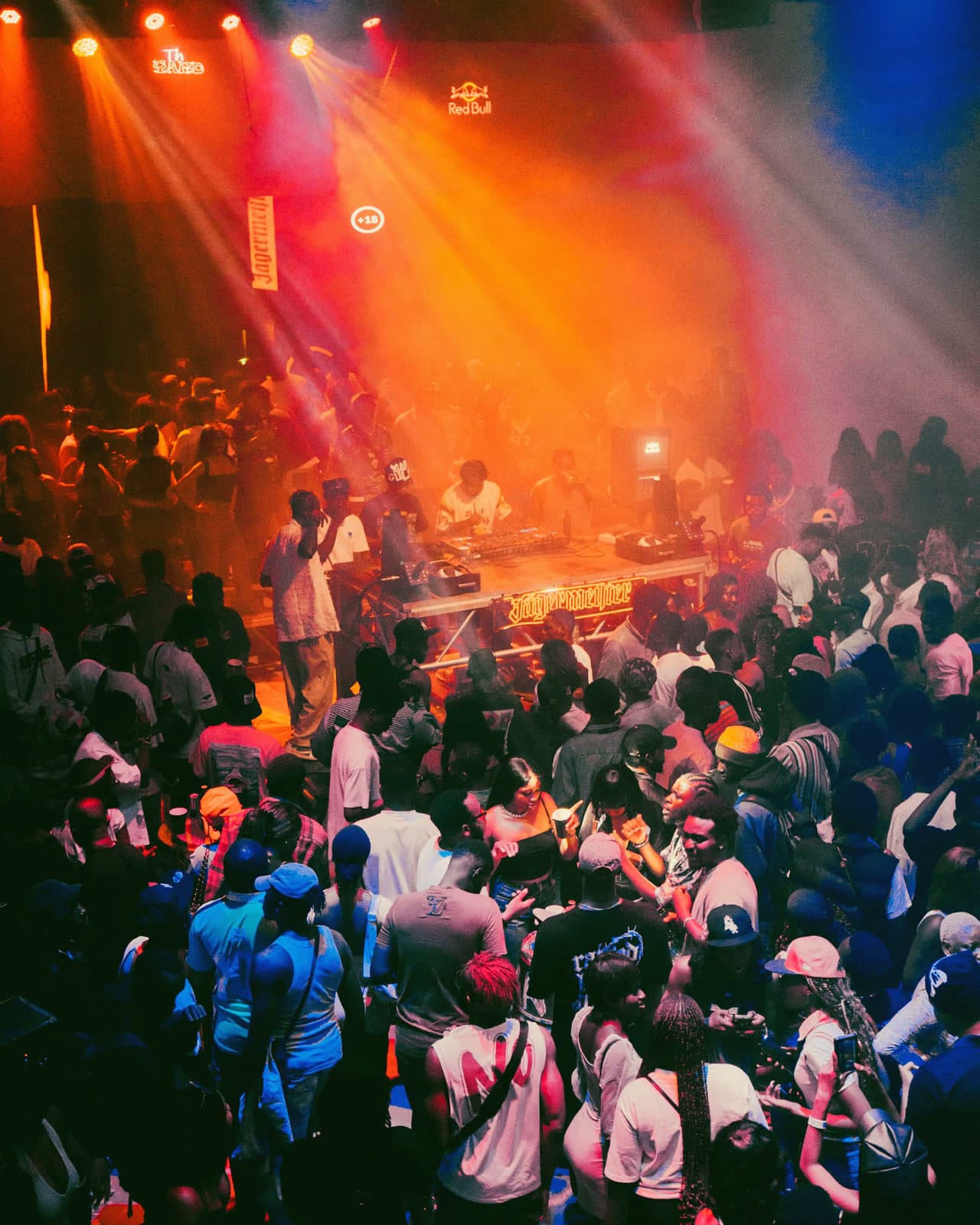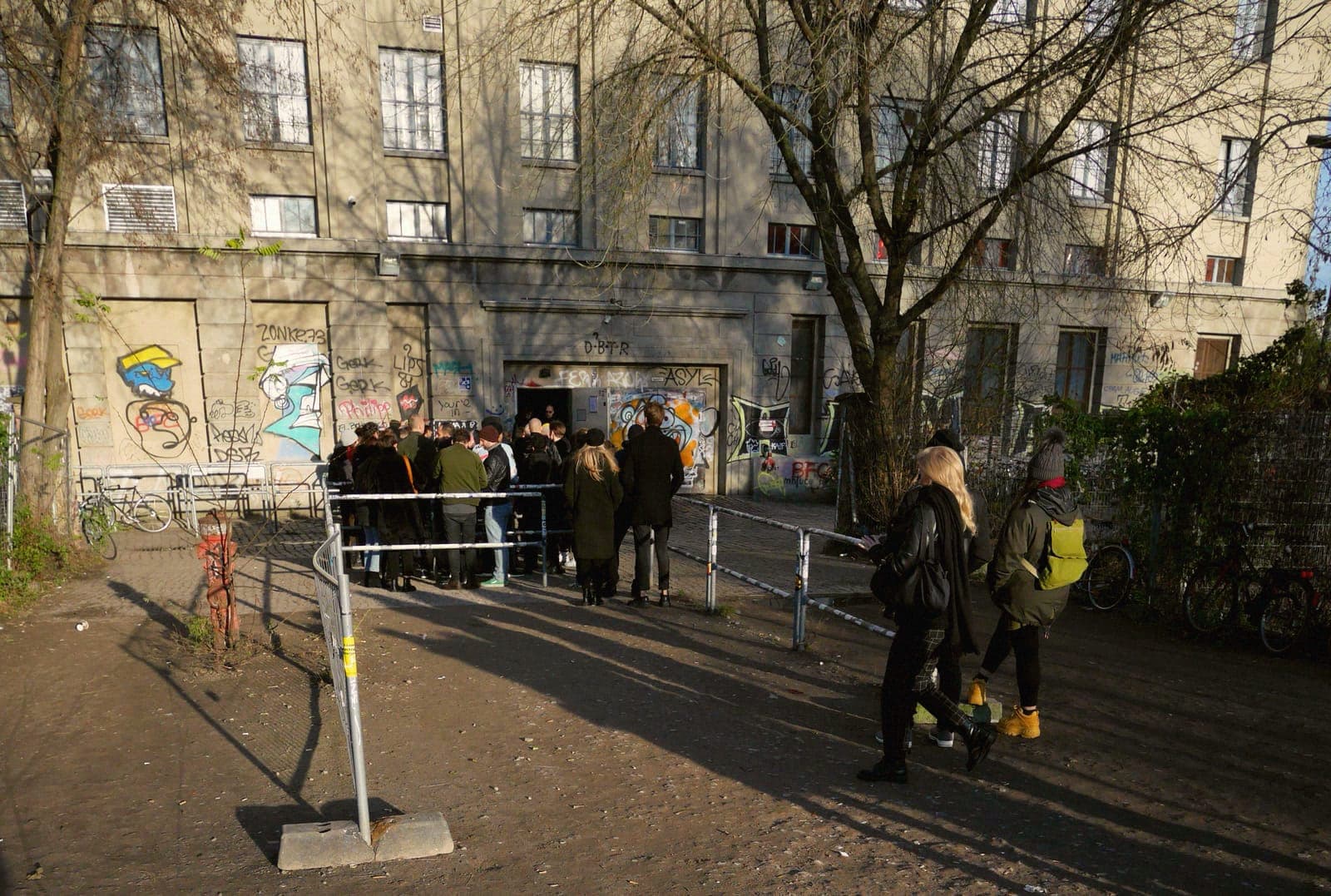
Berlin's club scene has spent decades selling itself on one idea: nobody tells it what to do. So there's something pointed about watching the city's own club establishment spend a week asking, out loud and in public, whether that's still true.
Clubcommission Berlin, the trade body that represents the city's clubs and promoters, just wrapped the seventh edition of Tag der Clubkultur, its annual festival and prize week, around the theme "STAY CORE." The premise is blunt: what actually counts as the core of Berlin club culture, now that rents are up, costs are up, and the rooms that built the city's reputation keep closing.
What is "STAY CORE" actually asking?
The festival's own framing poses it as a direct question to participants: how do cultural free spaces survive, and can club culture still function as a testing ground for other futures under growing social and economic pressure. Around 130 events ran across the city during the October 3 to 11 week, from club nights and open-air parties to panels, exhibitions and radio takeovers, with venues including Renate, Gretchen, ÆDEN, ://about blank, SO36 and Klunkerkranich all folding the theme into their own programming.
"Club culture creates spaces for encounter, cultural experimentation and social cohesion," Katharin Ahrend, Clubcommission Berlin's managing director, said of the festival, adding that the goal is to spotlight the people who shape, defend and develop those spaces at a moment of rising political pressure on cultural free spaces.
Who actually pays for the party?
Here's the twist that makes the theme worth sitting with: Tag der Clubkultur isn't scene-funded. It runs on money from Berlin's Senate Department for Culture and Social Cohesion, delivered jointly with Musicboard Berlin, the city's public music-funding arm. A jury split into two panels sifted roughly 248 applications this year and handed out 32 awards across five categories, Programming and Curation, Community Engagement, Aesthetics and Spatial Design, Diversity and Sustainability, and Newcomer, worth up to €20,000 per club and €10,000 per collective, for a total pot of €410,000.
That means the same institution asking Berlin's clubs to interrogate their commercial compromises is itself a state-subsidized program, run through an official grant jury, scoring applications against named categories. The clubs chasing that money have every incentive to perform the "core" the jury wants to see.
Does state money kill the underground, or keep it alive?
The cynical read is obvious: a scene that markets itself on resisting institutions is now institutionally graded and funded by the city that profits from Berlin's clubbing tourism. The less cynical read is just as real: without Senate and Musicboard money, several of the rooms on this year's participant list probably wouldn't still be open to have the argument at all. Rent pressure and noise complaints have closed more Berlin clubs than any curator ever could.
Tag der Clubkultur doesn't resolve that tension. It just puts it on the program, with a prize check attached.