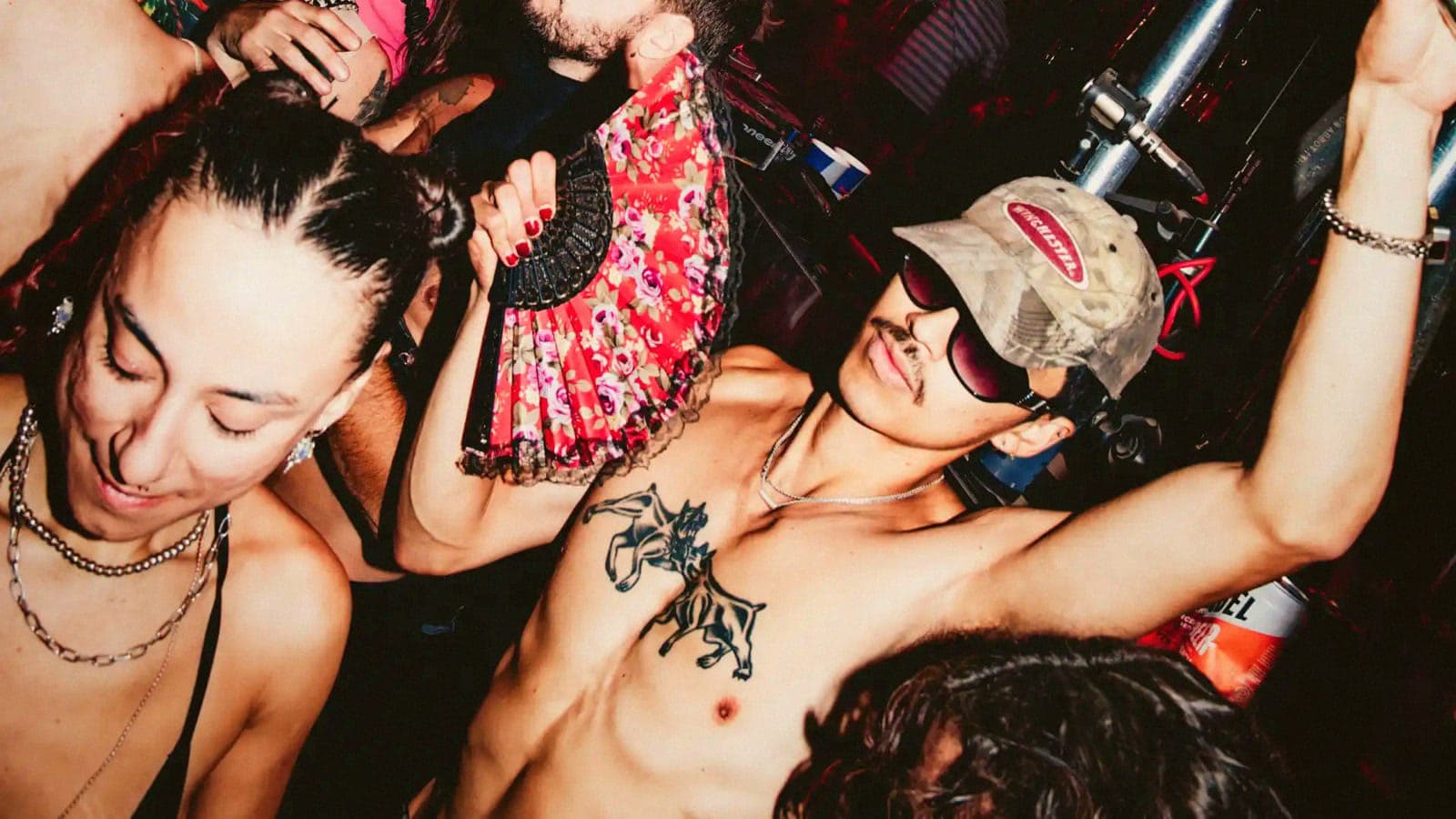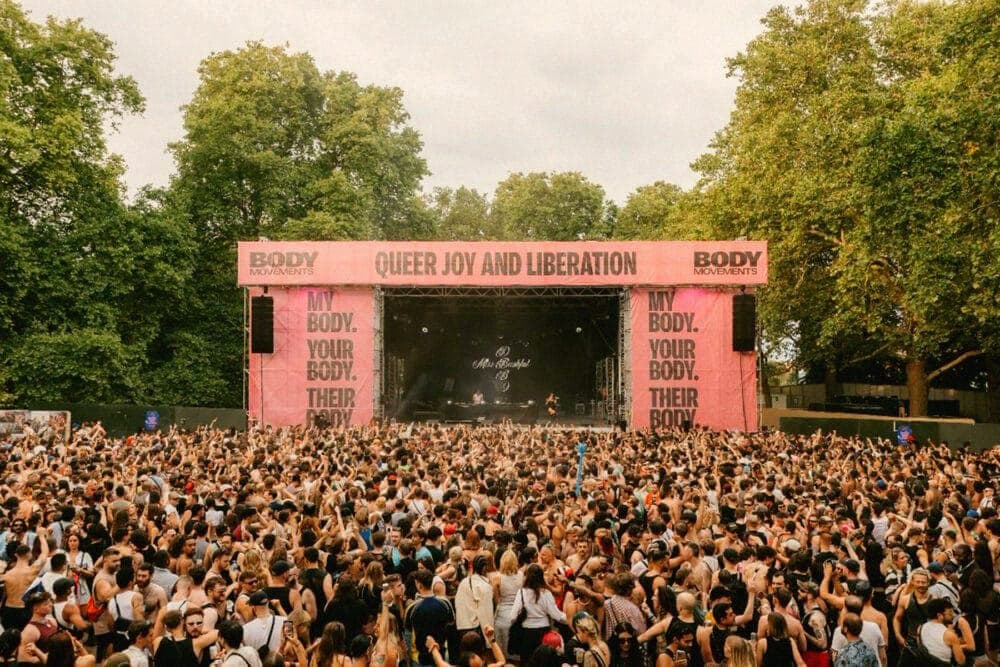
London gets no shortage of festivals that slap "queer-friendly" on a poster and call it programming. Southwark Park on August 30 is doing something structurally different: Body Movements hands its five stages to the collectives who keep the city's queer nightlife running the other 364 days of the year, rather than assembling one lineup from the top down.
What actually makes the programming different?
Most festivals book acts, print a poster, and call it a day. Body Movements instead partners with 16 queer and trans collectives, including Dalston Superstore, DAYTIMERS, 2CPERREA and Little Gay Brother, and lets each one curate its own stretch of the day across five stages carrying the festival's typically blunt names: Mother, The Strap, Snatch, Hot Mess and Glory Hole. That is not cosmetic. It means the door policy, the sound, the crowd and the energy of any given stage shifts depending on which crew is running it, closer to a rotating showcase of London's actual party ecosystem than a single curated bill.
Who's actually playing on August 30?
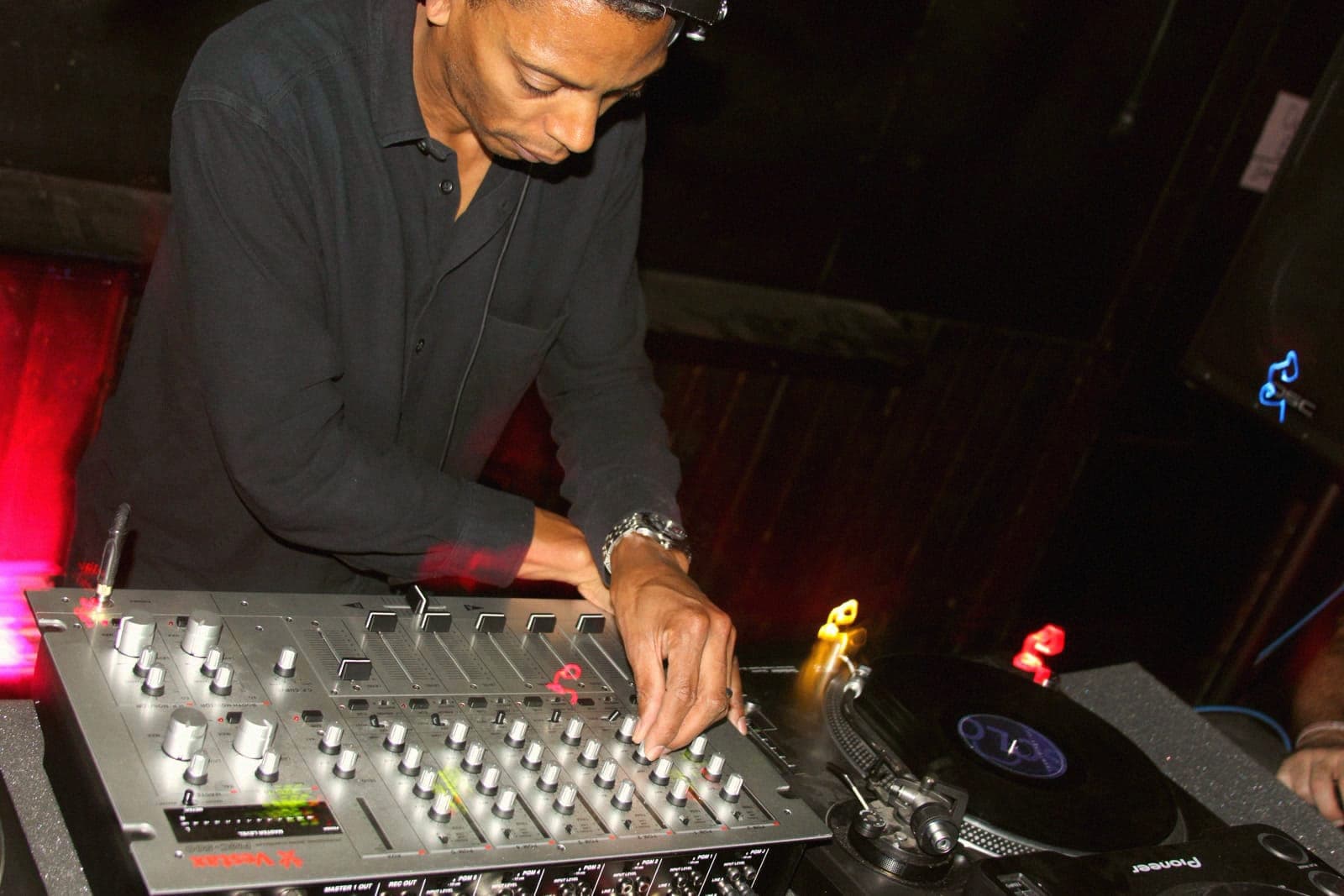
The lineup runs past 40 artists and cuts across house, techno and ballroom rather than sticking to one lane. The standout underground pairing is Eris Drew b2b Octo Octa, two of the most respected names in the raw, breakbeat-inflected house sound that gives this year's Body Movements its organic-house backbone. Elsewhere the bill runs Romy, MCR-T, Saoirse b2b Shanti Celeste, Sedef Adası and Six Sex, plus Amaliah and BASHKKA. Jay Jay Revlon runs a vogue masterclass on-site, tying ballroom, a scene that underground house owes an enormous and often uncredited debt to, directly into the day's programming instead of treating it as a side attraction.
Body Movements bills itself as the UK's first Queer and Trans electronic music festival, and the collective model is the reason that claim holds up beyond the marketing line.
Where did Body Movements come from?
The festival was founded in 2021 by DJ and trUst label head Saoirse, Clayton Wright of Little Gay Brother, and promoter Simon Denby, reportedly out of frustration at how little of London's queer talent was actually reflected in the city's bigger dance music bookings. It started as a cross-venue party spread across roughly 15 spaces in Hackney Wick before moving into Southwark Park as a single-site festival. The collective-first structure has stuck through that growth: rather than a festival occasionally featuring a queer collective's takeover, the collectives are the festival.