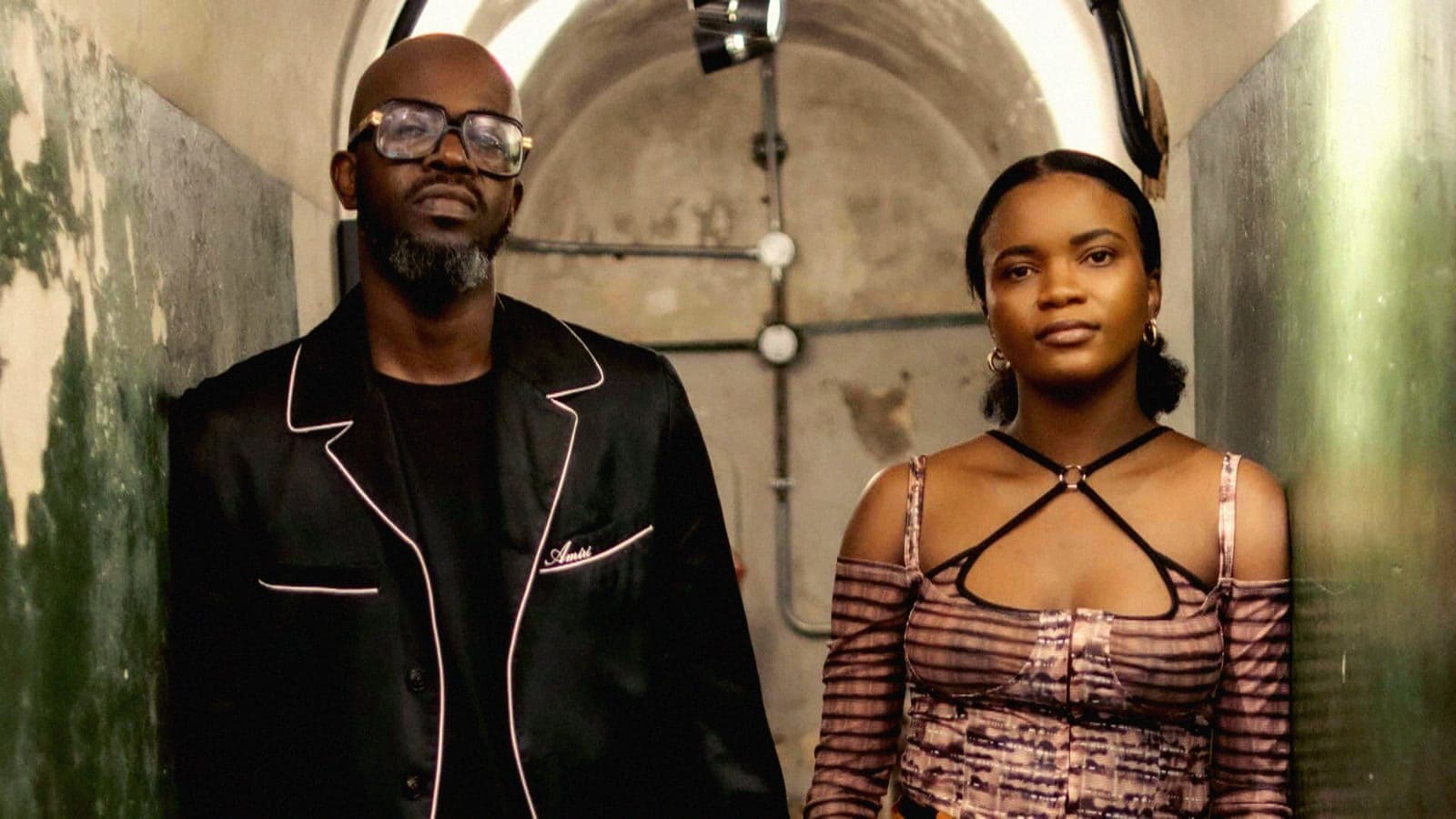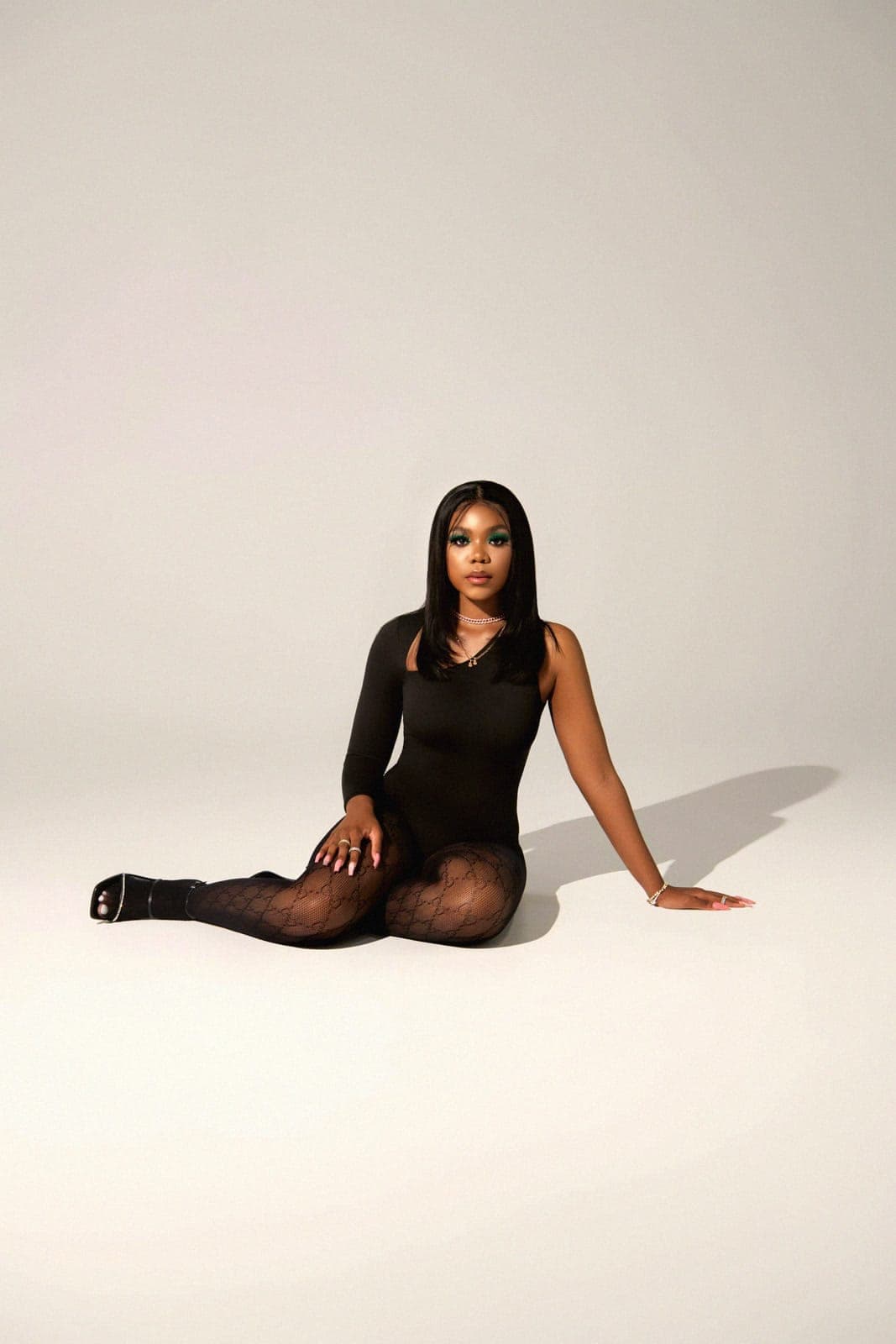
Elaine built her name on bedroom R&B. "Elements", the 2019 EP that made her the first independent female artist to hit No. 1 on both iTunes and Apple Music's South Africa album charts, was trap-soul confessional, not club music. Six years later she has a dance single out, and the backstory is not a pivot chased overnight for streaming numbers. It's two years of fieldwork.
"Before I even got into the booth, I was doing research for, I think, two years for this project," Elaine told Texx and the City. "A lot of research went into it. A lot of paying my respects to people that have done it before."
What did that research actually look like?
Not studio sessions with a laptop and reference tracks. Elaine describes going out, repeatedly, into Johannesburg's underground and township club circuit, the rooms where South African house and amapiano actually get tested on real dancefloors before they reach a playlist. "Dance music in South Africa is rooted in lifestyle," she said. "I was going everywhere. Taking gigs where I usually wouldn't take gigs."
That immersion produced "One More Dance", released August 6 with Major League DJz and featuring Mpho.wav and Atmos Blaq. It's a reunion: Elaine and Major League DJz previously teamed up on "All Night Long" with Yumbs in 2023. This time the production leans further into afro tech-house, built on the kind of hypnotic, synth-driven groove that dominates Johannesburg's club nights rather than radio-friendly amapiano.
Why Lebo Mathosa, specifically?
Elaine names the late Lebo Mathosa, the Boom Shaka frontwoman and kwaito icon who died in 2006, as the direct reference point for this era. "Lebo Mathosa has been my muse for this era," she said, tying her new sound to a lineage of South African performers who fused vocal power with dancefloor physicality decades before amapiano existed. She frames the aesthetic in explicitly local terms: "For me, it's effortless South African swag. Shaving your hair, dying it blonde. It's classic SA. It's all homegrown, but with so much attitude."
"That vulnerability never leaves me. That's really my superpower. I'm always vulnerable."
What she's kept, deliberately, is the emotional register that built her R&B fanbase. She's not treating dance music as a genre costume; she's carrying the same songwriting instinct into a faster BPM and a club-built arrangement, betting that the vocal honesty still lands over a groove instead of a ballad.
Does the underground scene take the swap seriously?
So far, by her own account, yes. "The dance community has been so welcoming," she said. "I'm also just grateful to the dance community for welcoming me and being so supportive." That reception matters more than a press quote suggests: South Africa's house and amapiano circuit is notoriously unforgiving of outsiders who show up without paying dues, and two years of unpaid research and low-profile gigs is a specific, verifiable form of dues-paying, not a marketing line.