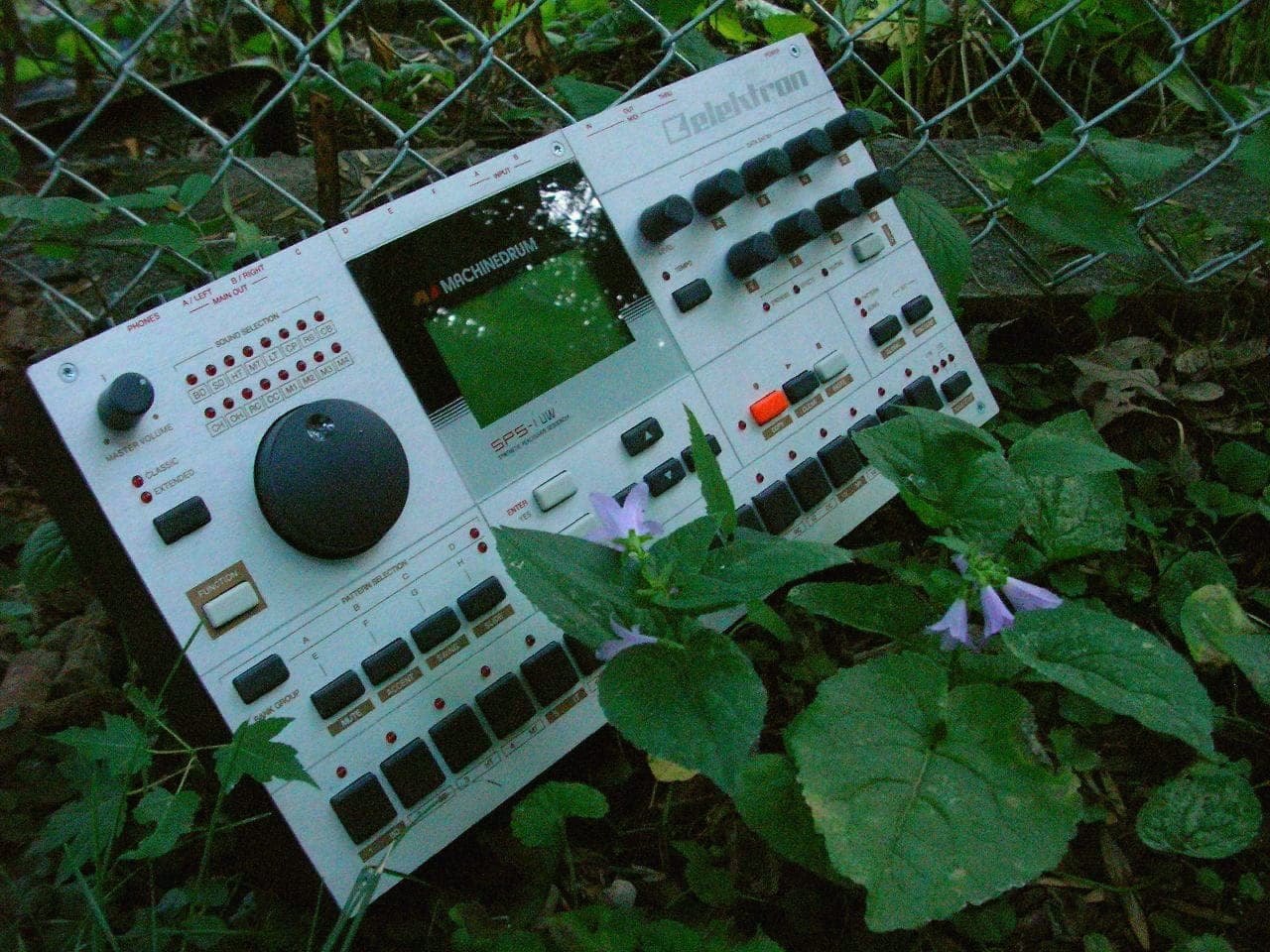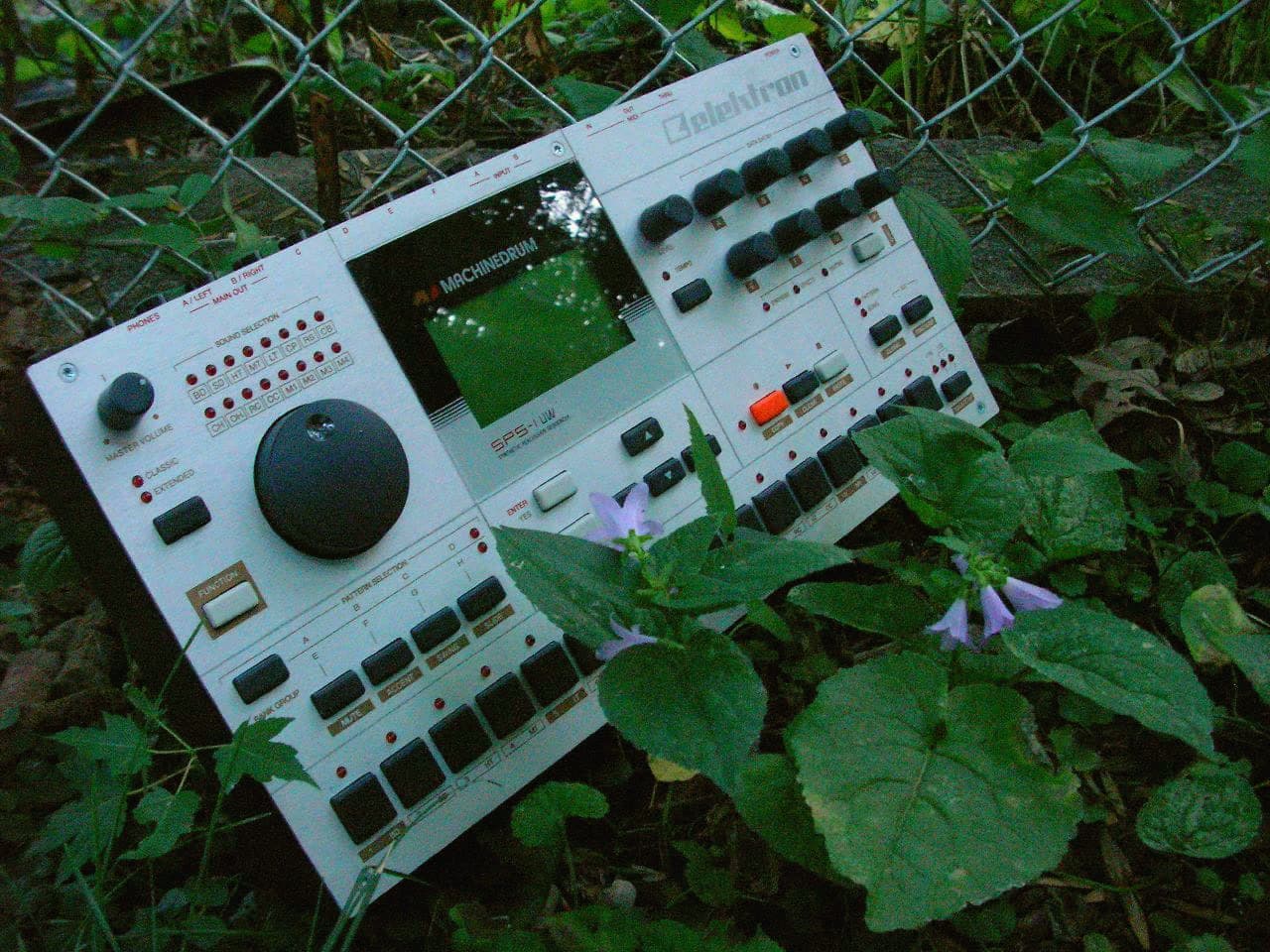
The Machinedrum was never cheap and it has been out of production for years, which makes original units a used-market hunt with prices that punish anyone who missed the window. That barrier just got a lot lower. A browser tool at machinedrum-study.pages.dev now lets anyone load a page, on a laptop or a phone, and start programming beats across the machine's signature synthesis engines, no purchase, no install, no hardware required.
Is this actually Elektron's code?
No, and that distinction matters. The developer behind machinedrum-study.pages.dev is an independent programmer with no stated tie to Elektron, and the tool needs no ROM files to run. That is the tell: a real ROM dump would mean someone extracted and redistributed Elektron's proprietary firmware, which is the legally grey move that has sunk other emulation projects. Instead, the developer rebuilt the four core engines, TRX, EFM, E12 and PI, along with the amplitude modulation, EQ, filter, distortion, sample-rate reduction, delay and reverb, from scratch by ear and by spec. The maker calls it explicitly a "non-original sound simulation" and says flatly it is "not intended to be a 1:1 recreation." That is an honest label, not a marketing hedge, and it is what keeps a fan project like this on the right side of the line.
https://machinedrum-study.pages.dev
What about the DAW version?
A separate project called Gearmulator MD/MM, built by developer Joe Landers, takes a different route to the same instrument. It ships as a free, open-source VST3 (Windows) and VST3/AU (macOS) plugin that emulates both the Machinedrum and its sibling, the Monomachine, but it will not make a sound out of the box: users have to supply their own dumped firmware image from hardware they legally own before either machine works. That is the cleaner emulation model used by console and vintage-synth emulators alike, you bring the firmware, the tool just runs it, and it is a different legal posture from the browser tool's ground-up reconstruction. Both projects land at the same destination, wider access to a discontinued Elektron classic, by two legitimately different technical paths.
The developer calls it explicitly a "non-original sound simulation," not a 1:1 recreation, which is precisely why it can ship with zero ROM files.
Why does this matter for producers who never owned one?
The Machinedrum shaped two decades of percussion-forward electronic music, and its distinctive digital drum synthesis is still referenced by producers who never got hands-on time with the hardware. A free browser version does not replace the tactile sequencer and physical knobs, but it removes the single biggest barrier, the used-market price tag, for anyone who wants to hear and program those engines before deciding whether the real thing is worth chasing.
Elektron has not publicly commented on either project.