Why did the toughest measures come back from the dead?
In June, the National Assembly's legal-affairs committee stripped the free-party provisions out of the Ripost bill, judging them disproportionate. But over four days of floor debate, July 7 to 10, the government fought them back in amendment by amendment, restoring criminal penalties for organizing an undeclared free party, and the Assembly finished examination with a tougher text than the one the committee approved. That's the version headed to the solemn vote on Wednesday, where support from National Rally, the mainstream right and the centrist bloc backing Interior Minister Laurent Nuñez makes passage close to certain.
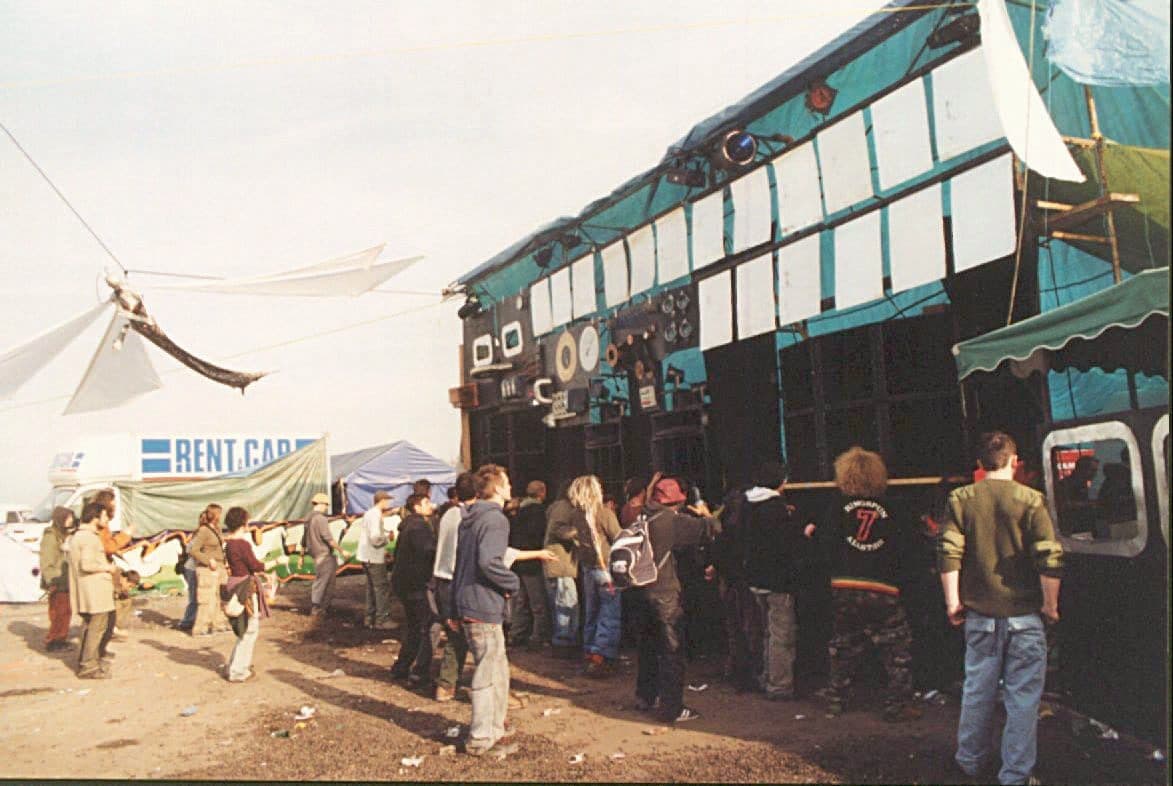
This isn't the first time French law has come for the free party. Back in 2002, the Mariani amendment already let prefects seize sound systems and required advance notice of gatherings. Ripost goes further: it makes the act of organizing itself a criminal offense.
Who's fighting for the free party on the floor, and who wants it gone?
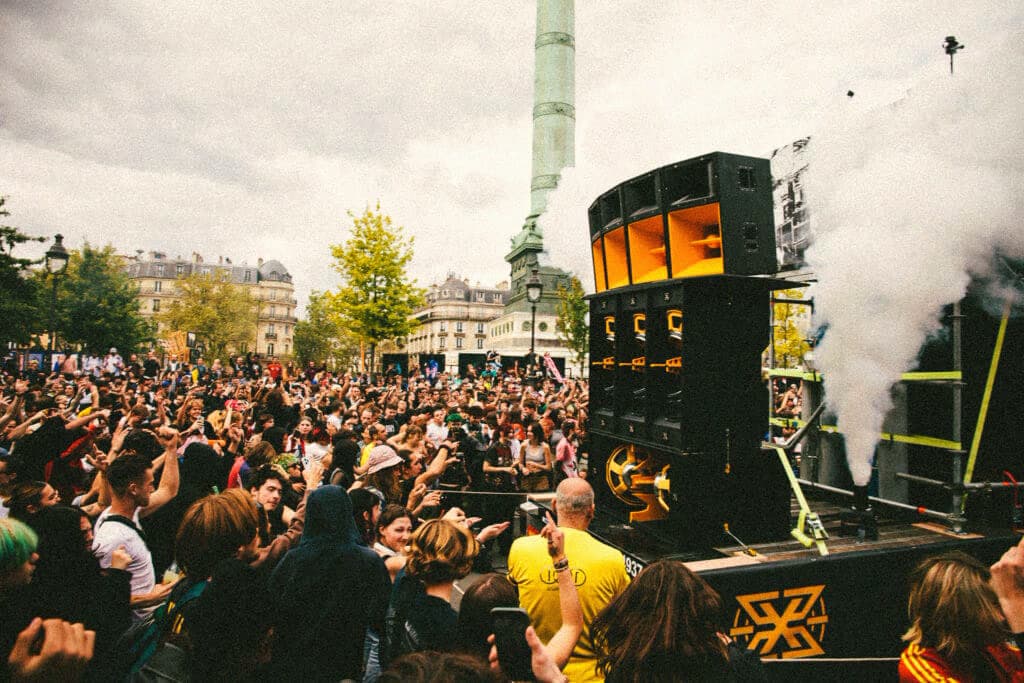
Deputy Paul Christophle argued in the chamber that free parties are the cultural root of a techno scene the rest of the world respects, an underground France would be foolish to legislate out of existence. Deputy Eric Michoux took the opposite position, describing ravers as "squatters" who turn the countryside into "giant latrines." The split runs straight through the vote itself: this isn't a law-and-order bill nodded through in silence, it's a real fight over what the free party actually means to France.
What is the scene saying back?
Jennifer Cardini: It seems these politicians were never young... surrealistic and dangerous.
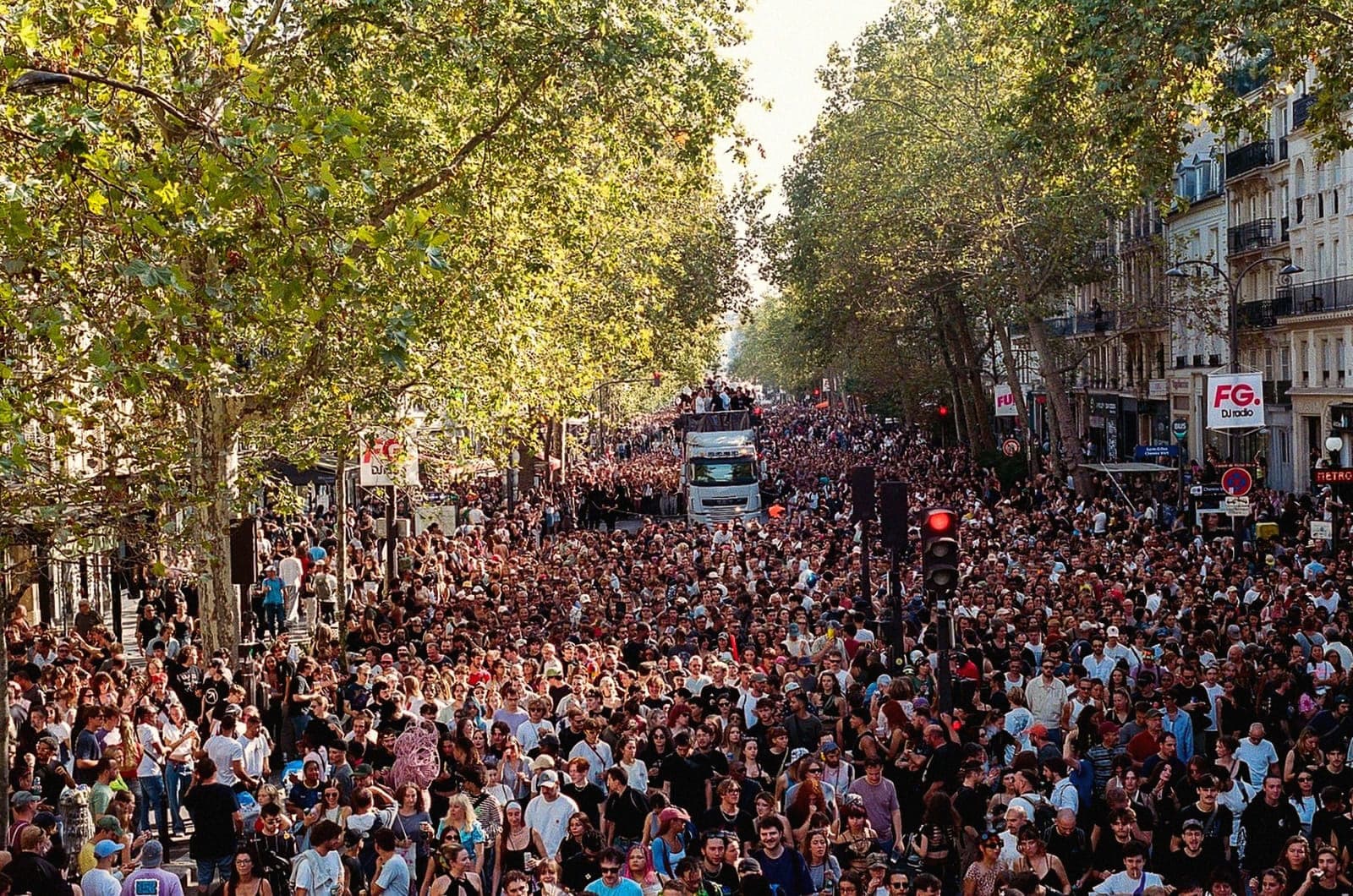
Meanwhile, the collective Tekno Anti Rep is organizing opposition ahead of Wednesday's vote, the latest flashpoint in a standoff between free-party crews and the French state that predates Ripost by decades.