What exactly did KKR buy?
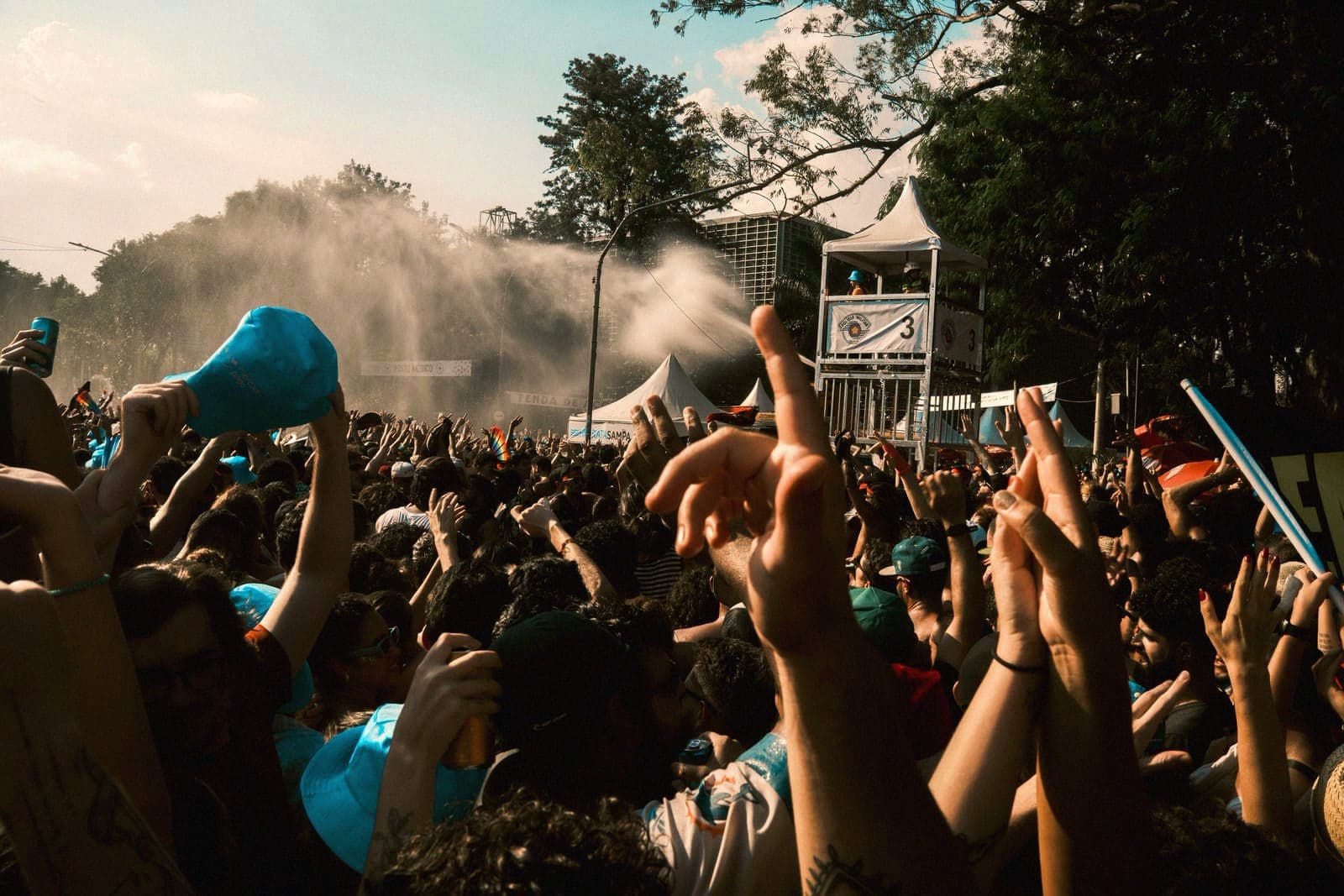
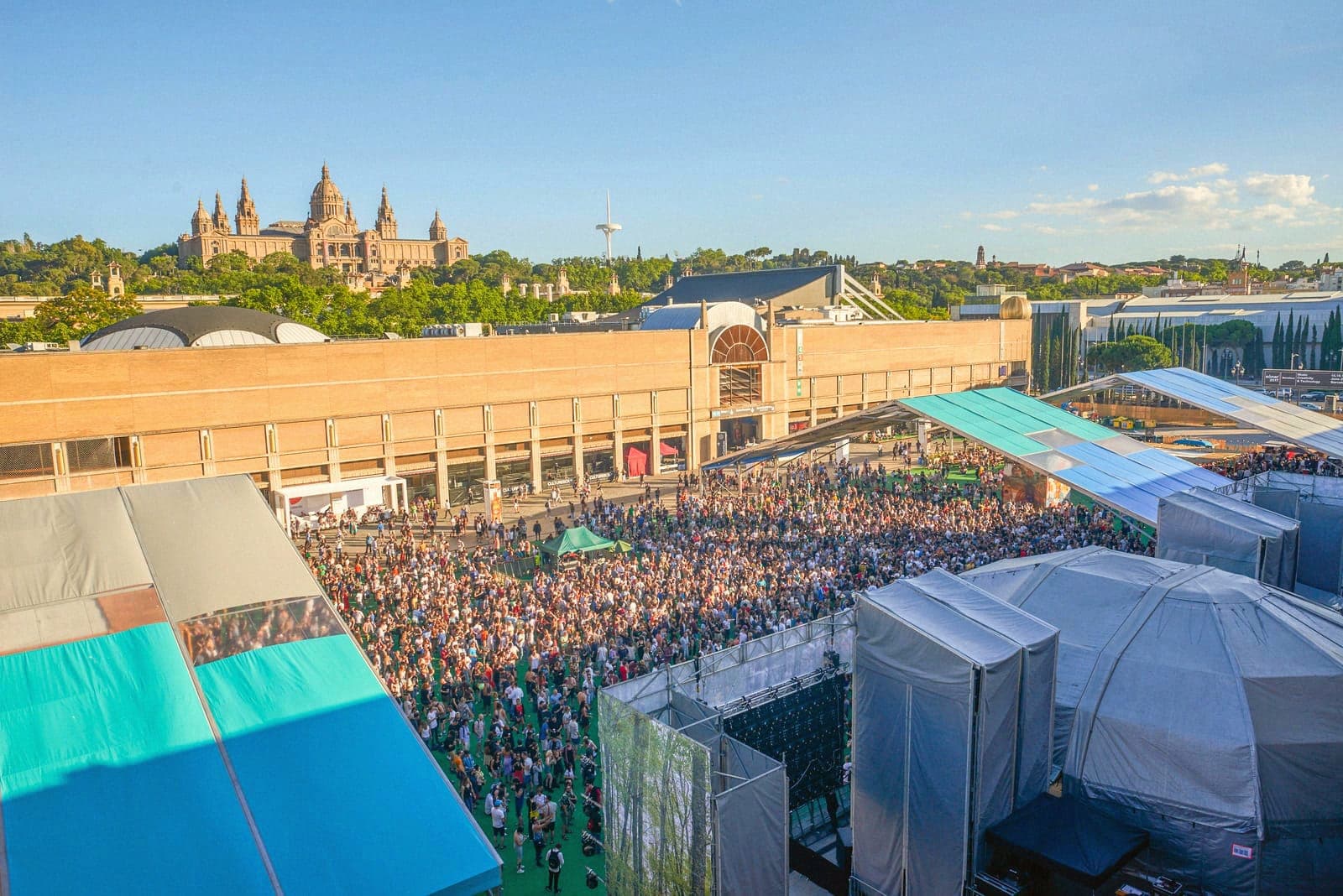
In June 2024, KKR closed a deal reported at 1.3 billion euros, roughly $1.4 billion, to buy Superstruct Entertainment from Providence Equity Partners, the firm that seeded Superstruct's launch back in 2017. Superstruct isn't one festival, it's a holding company for more than 80 festivals and 200 smaller events across 10 countries, pulling in about 7 million attendees a year. For anyone who spends their summer on this scene, the portfolio reads like a highlight reel: Sónar in Barcelona, Boiler Room (bought separately in January 2025), Dutch dance-music group ID&T with its Q-dance and Defqon.1 brands, the Elrow party brand, London's Field Day and the metal fixture Wacken Open Air. KKR financed the purchase through its European Fund VI, an $8 billion vehicle, and by October 2024 had brought in fellow buyout giant CVC as a co-investor. This wasn't a music company falling into finance's hands by accident. It was a deliberate roll-up, bought in one motion, of a huge slice of the infrastructure independent European festivals actually run on.
Is the Toys R Us comparison fair?
It's more than a comparison, it's the same firm. In 2005, KKR joined Bain Capital and Vornado in a $6.6 billion leveraged buyout of Toys R Us. The three firms put up about 20 percent of the price in equity and made the retailer itself borrow the rest, leaving it with roughly $5 billion in debt and about $400 million a year in interest payments. Reserves fell from $2.2 billion before the deal to $301 million by 2017. That September, Toys R Us filed for Chapter 11, and by 2018 it had liquidated, putting 33,000 people out of work, many without severance. Analysts who studied the collapse found the underlying retail business was still profitable: the debt service is what killed it. That's the mechanism critics now point to with Superstruct: a leveraged deal doesn't need to be malicious to be dangerous, it just needs to force an operating company to spend on debt what it used to spend on the product, in this case, festivals, staff and artist fees.
Why is Superstruct suddenly looking for more debt?
The numbers already show strain. Superstruct's UK entity posted a 33.26 million pound operating loss in 2023, the year before the KKR deal closed, despite ticket revenue climbing to 118.8 million pounds. According to credit-markets outlet 9fin, KKR was back in the market in May 2026 seeking additional debt for Superstruct, with reporting explicitly linking the search for financing to boycotts weighing on the business. Those boycotts, organized through 2025, target KKR's broader investment book, including holdings campaigners have tied to Israeli settlement infrastructure and the arms trade, not Superstruct's festivals themselves. More than 70 artists signed an open letter demanding Sónar cut financial ties to its owner; over 30 pulled their sets from the 2025 edition, and Sónar's founding team left the company months later. Whatever you make of the politics, the business fact underneath is simple: a leveraged portfolio under public pressure is exactly the kind of asset that gets refinanced, and refinancing means more debt, not less.
What does this mean for the artists and fans who show up?
Nobody is predicting Sónar closes its doors next summer, and Superstruct's festivals still make their own creative calls day to day. But debt service is the lever a leveraged owner reaches for first when a business is under strain: renegotiated artist fees, thinner local staffing, tighter sponsorship terms and back offices consolidated across festivals that used to run independently of each other. The Toys R Us debt sat on the balance sheet for twelve years before it broke the company; nobody outside a credit desk noticed until the layoffs started. Superstruct's own 2023 numbers, a loss posted the year before the buyout even landed, suggest there's less cushion to absorb a debt load than a 1.3 billion euro price tag implies.