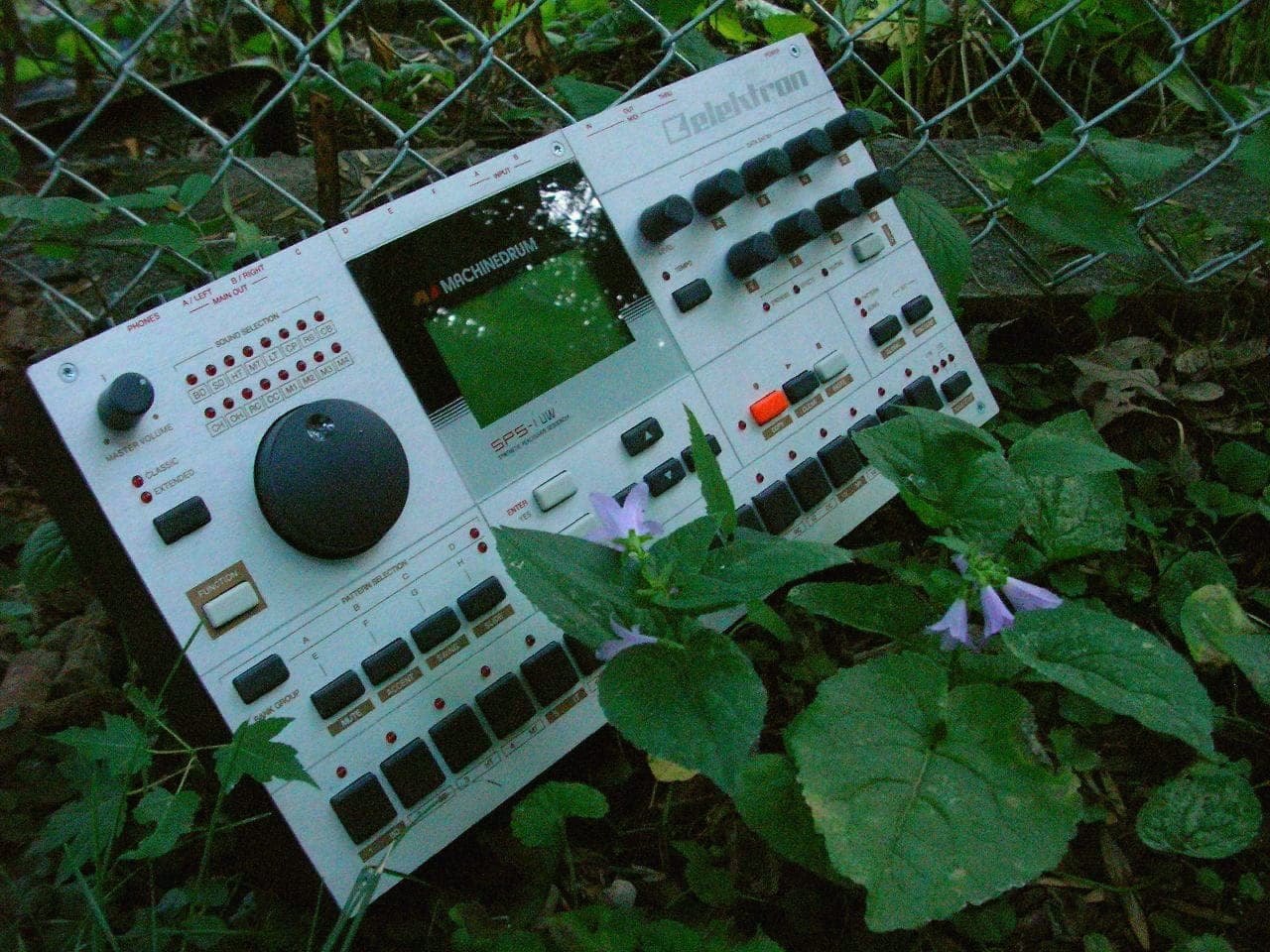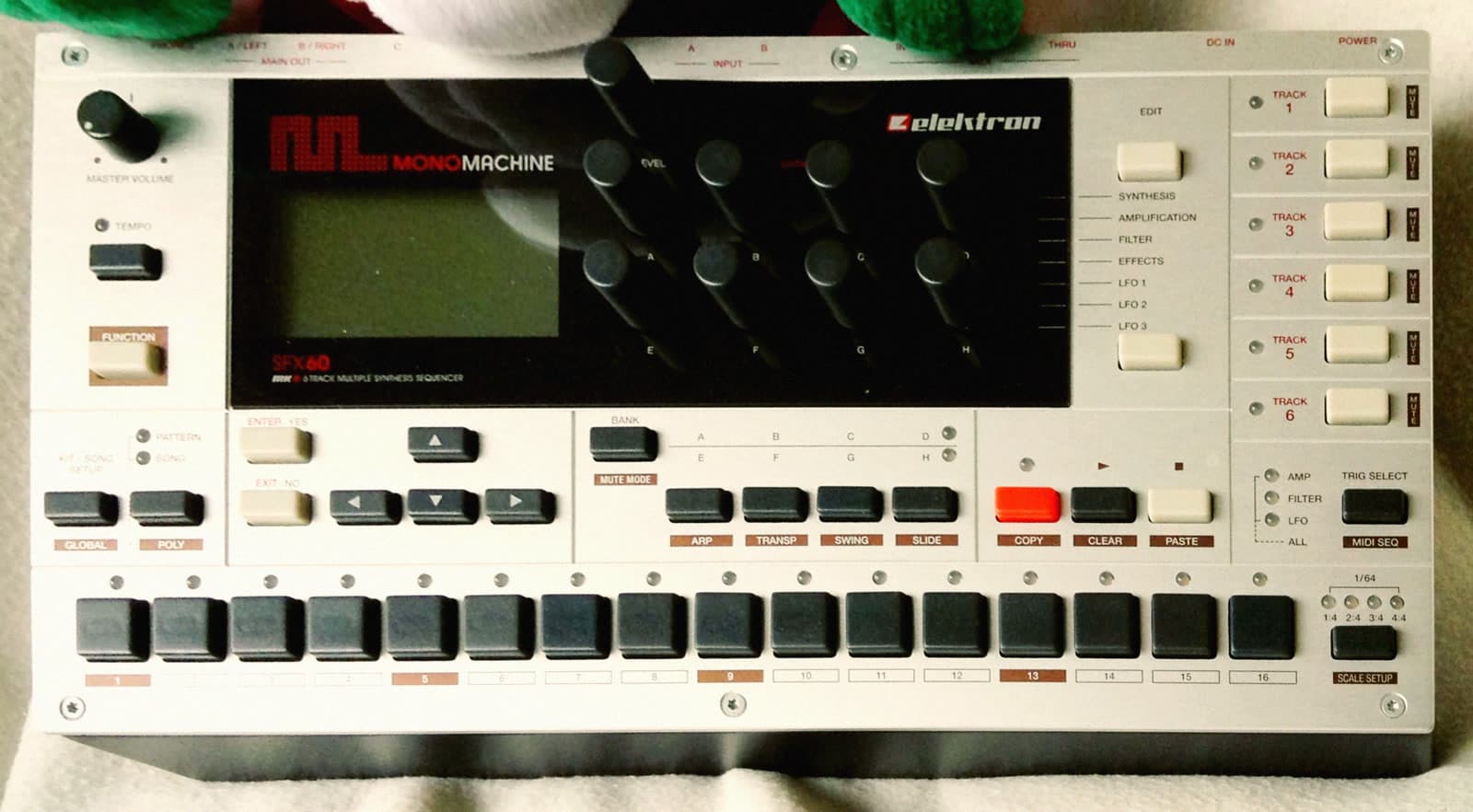
The Elektron Monomachine spent over a decade as one of the most coveted, least accessible boxes in electronic music. Elektron built it from 2004 to 2016, sold it in small numbers as the keyboard-equipped SFX-6 and the desktop SFX-60, and then let it fall out of production. Since then it has lived mostly on the used market, changing hands for prices that put it out of reach for most bedroom producers who only knew its sound from records.
A new project called Monomodule wants to close that gap for free. According to Sonic State, the plugin does not try to approximate the Monomachine's sound, it loads the machine's own operating system file and runs it.
How does it actually recreate the sound?
Monomodule's developer, who goes by midierror and co-founded Potato Audio, built the plugin around Elektron's own OS 1.32B firmware, which Elektron still distributes for free to registered hardware owners. The plugin emulates the Monomachine's Motorola DSP56300 chip in software and runs that firmware's code on it directly, with just-in-time compilation translating it to native instructions in real time. The result, per the project and reported by Sonic State, is that all 22 of the Monomachine's sound engines, its SID-style, FM, virtual-analog and speech-synthesis voices among them, behave identically to the hardware because they are running the same DSP program the hardware runs.
That is a meaningfully different claim than most software emulations make. A synth clone built by ear or by modeling gets close. Loading the manufacturer's actual firmware and executing it means the plugin's oscillators and filters are, in effect, the same code the original chip executed, just hosted inside an emulated processor instead of a physical one.
Monomodule doesn't approximate the Monomachine. It loads the synth's own DSP program from the OS file and runs it, instruction for instruction, in an emulated Motorola DSP56300.
The plugin ships in three forms, a single-voice version, a six-channel multitimbral version, and an effects-only version, plus a standalone library app for browsing and previewing sysex dumps, patches, kits and patterns pulled from real hardware. Owners of an actual Monomachine can move their saved sounds straight into the plugin. Everyone else gets the machine's sound design from scratch, running on Apple Silicon, Intel and AMD systems, with nothing to buy.
Why does loading a manufacturer's own firmware matter here?
It is the difference between covering a song and sampling the master tape. The Monomachine's engines were never just presets, they were custom DSP code Elektron's founders wrote for that specific chip, and reproducing their exact behavior by ear is notoriously hard, which is why the Monomachine has resisted convincing emulation for two decades despite being a known target. Running the real firmware sidesteps the whole problem, at the cost of putting the project in a legal and ethical grey area: Elektron has not endorsed Monomodule, and loading a company's own firmware into unofficial third-party software, even a freely distributed OS file, is not something manufacturers typically sanction. The project is open source and free, with no purchase involved, which softens but does not erase that tension.
For the deep-tech and minimal producers who built entire records around the Monomachine's grittier engines, from Aphex Twin sessions to Amon Tobin's sound design, this is the first time that specific sonic vocabulary has been available to anyone with a laptop rather than only to whoever could find and afford a used unit.