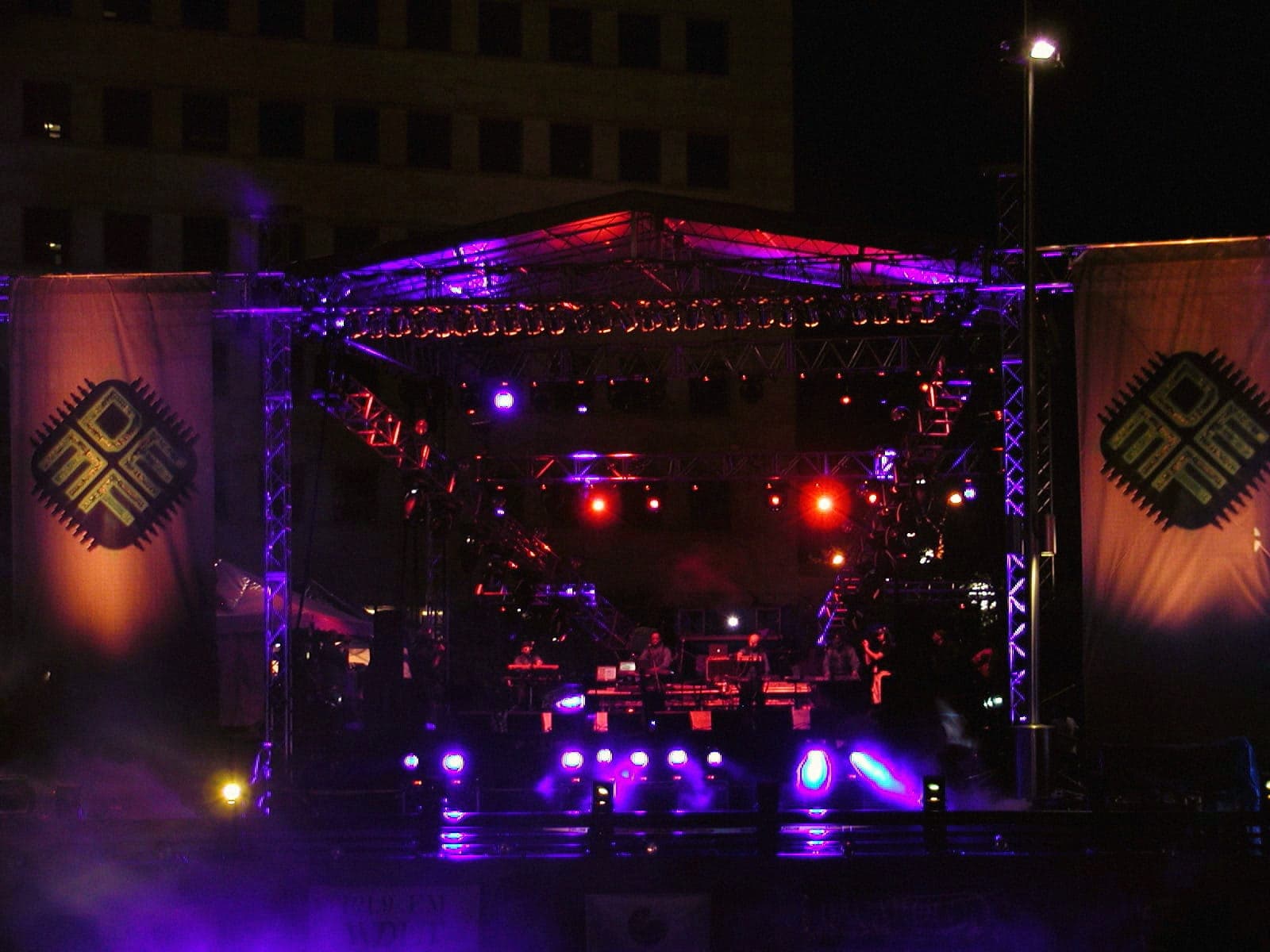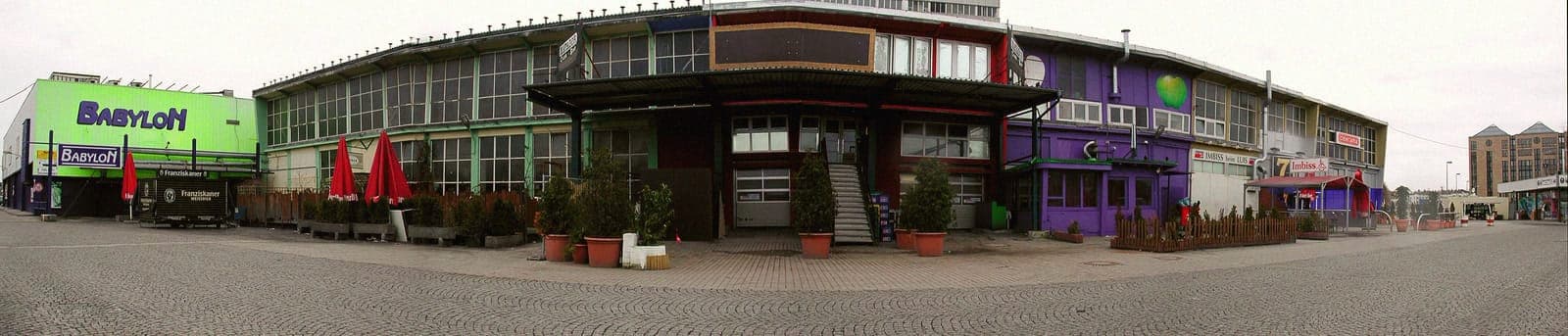
ZDF spent real money trying to own techno's origin myth. Four episodes, a national broadcaster's production muscle, a story built around the birth of Kunstpark Ost, the club complex that grew out of Munich's old Pfanni potato-dumpling factory grounds and became one of the defining spaces of German techno in the 1990s. German critics spent the week after its August 7 Mediathek drop telling ZDF it missed the point.
"München Beats" centers Linda Bierwirth, a fictional 19-year-old who leaves her family's farm in Ismaning, just outside Munich, to chase a life behind the decks as the factory floor around her turns into a rave venue. It's a coming-of-age hook dressed in period detail: land versus city, tradition versus a subculture nobody's parents understood. On paper it's the right instinct. In the room, according to the reviews landing across German press on August 12, it plays like something else entirely.
What did the critics actually object to?
Groove, the German techno trade outlet with the most skin in this particular game, called the series a disappointment: the real texture of the era, the techno culture itself, and the depth of the queer subculture that built Kunstpark Ost all get pushed to the margins in favor of a family and romance plot. t-online.de rounded up the reception under a blunter headline, distilling the dominant critical framing as "Daily Soap statt Milieustudie": a daily soap where a genuine study of the milieu was called for. FAZE Mag's roundup found the negative notices dominating the conversation outright.
Rolling Stone Germany went furthest on the plot mechanics themselves, flagging a central storyline built around what it called a "tragic incestuous love" between two of the show's leads, a device the review argues ends up eclipsing the actual scene history the series claims to be telling.
The dominant critical framing, per t-online.de: "Daily Soap statt Milieustudie", daily soap instead of a genuine milieu study.
Why does a TV melodrama matter to the scene?
Because origin stories are currency. Whoever gets to narrate how a scene was born gets to decide what mattered about it, and a public broadcaster's miniseries reaches an audience the scene itself never will. Kunstpark Ost wasn't just a big room with a good sound system: it was, per the critics reviewing this series, a space where techno culture and a queer subculture built something together, out of an economic collapse (the Pfanni works shutting down) that most mainstream retellings skip straight past in favor of a love triangle. Flatten that into a family romance and you don't just make bad television, you hand the general public a version of the 1990s that erases the people who were actually in the room.
That's the bind ZDF is in now, with the linear broadcast still ahead on August 26 and 27. The streaming release already got its verdict from the people who know the difference between a milieu study and a soap opera. The TV broadcast is a second, bigger audience getting the same story, unless anything changes before then.
What happens when the broadcast lands?
Nothing about the finished cut changes between the Mediathek stream and the August 26-27 TV dates: same four episodes, same plot. What changes is the audience size, a national linear broadcast pulls viewers who never opened ZDF's streaming app and have zero context for the critical drubbing that already happened. For a chunk of Germany, this soap opera will BE what they know about how Munich's techno scene was born.