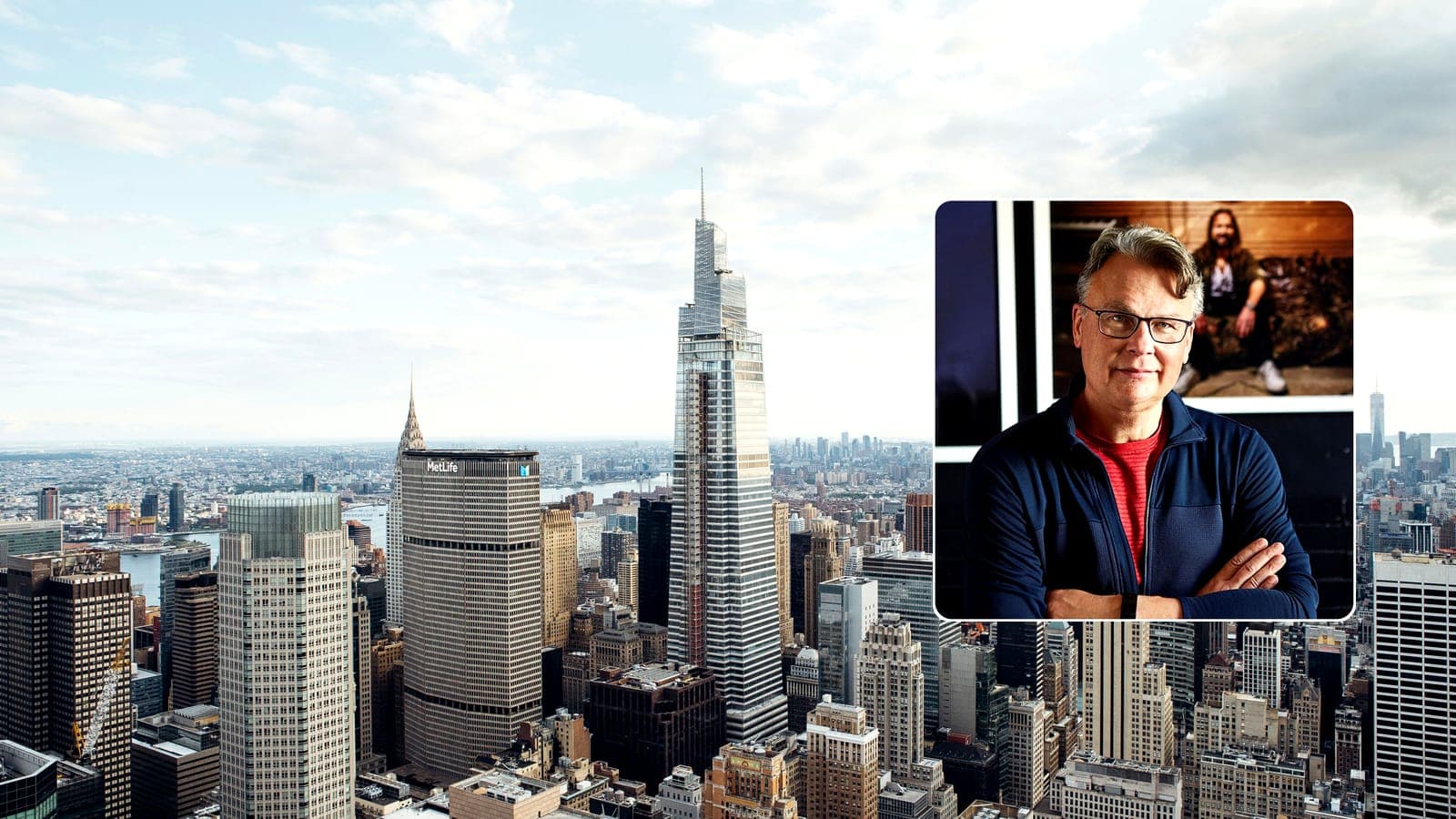
Willard Ahdritz spent 25 years building Kobalt into one of the most consequential music-rights companies on the planet, the kind of back-office infrastructure that quietly rerouted how songwriters get paid. He walked away from it in July, when Primary Wave's roughly $1.5 billion acquisition of Kobalt closed. Per Music Business Worldwide, he didn't stay away long: on October 1 he officially launched Ahdritz Capital Partners, a venture firm built to do for the next generation of music and media founders what Kobalt did for rights holders.
What is the fund actually going to back?
ACP says it will invest in two lanes: media infrastructure and systems, the unglamorous plumbing that makes rights, payments and distribution work, and fandom and audience platforms, the tools that connect artists directly to the people who pay attention to them. Crucially, the firm is not boxing itself into music alone. It's pitched as a music and media technology fund operating globally, which tracks with where Ahdritz made his money: not from a hit record, but from infrastructure that every rights holder eventually has to touch.
"Music is global, yet the capital and networks founders need have been concentrated in a few cities."
That's Ahdritz's own framing for why ACP exists, and it explains the firm's structure as much as its thesis.
Why build it in New York and Stockholm, and why move this fast?
ACP operates as one global team split across New York and Stockholm rather than a single headquarters with satellite offices. Isabel Keulen, who joined from SSE Ventures, is based in Stockholm, Ahdritz's own home turf and Kobalt's original base. Stephen Langer, a Lazard veteran who joined the team in May, well before the firm's October launch, brings investment-banking dealmaking rather than a traditional venture background.
The twelve-week gap between exiting Kobalt and launching ACP is itself the story. There's no cooling-off period, no sabbatical, no quiet consulting phase. For an executive who just banked a nine-figure outcome, that speed signals he sees a narrow window to deploy capital into music and media tech infrastructure before the next consolidation wave, the same kind of wave that just swallowed his own company, closes it.